
Why Is SPC Flooring So Popular?
Spc Flooring has moved from a specialist option to a familiar choice in homes and commercial interiors. Its appeal is practical: a rigid stone-plastic composite core, a printed design layer, and a wear layer combine in a relatively thin plank. Many products also use click-lock edges, making installation straightforward for trained installers and experienced renovators. In a busy kitchen, that can mean less worry about splashes, muddy shoes, and daily scuffs.
The wider market offers useful context. Grand View Research estimated the global flooring market at US$339.4 billion in 2023 and projected a 5.4% compound annual growth rate from 2024 to 2030 in its Flooring Market Size, Share & Trends Analysis Report. That figure covers flooring overall, not SPC alone. It signals sustained demand for flooring, but does not prove that SPC is gaining share at the same pace.
So what makes SPC stand out? Its water resistance, stable core, varied wood- and stone-look finishes, and comparatively simple upkeep answer common renovation needs. Yet popularity is not the same as perfection. A hard surface may feel less warm underfoot than carpet, and product quality varies by wear-layer thickness, locking profile, and installation conditions. Small details matter. This article explores the features, costs, and limitations behind SPC’s rise, so readers can judge whether its convenience suits their rooms—and their expectations.
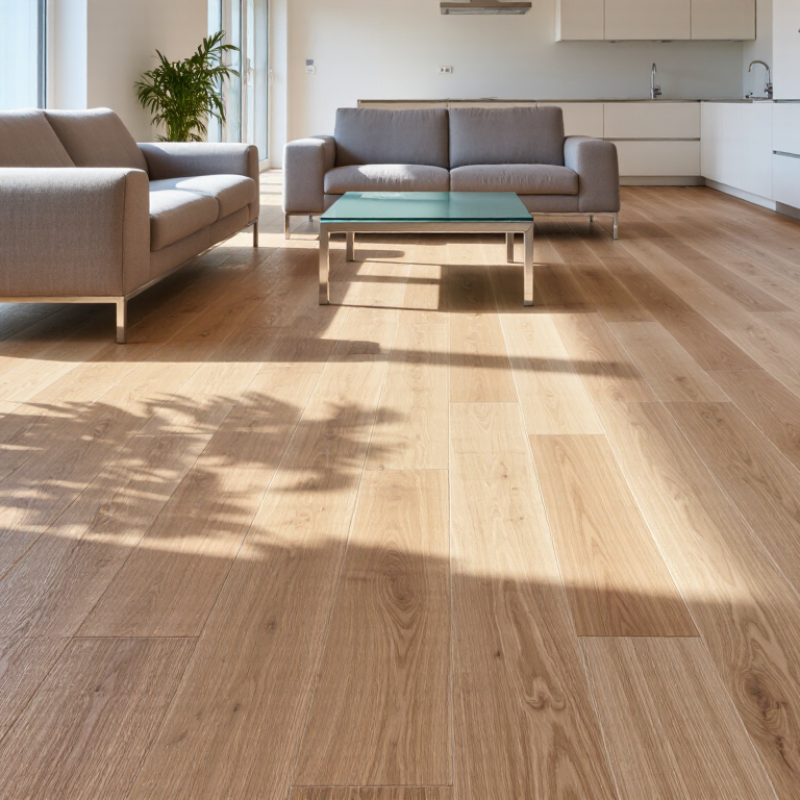
SPC flooring is a resilient floor built around a rigid core. SPC means stone plastic composite, though the core is usually a blend of limestone powder, PVC, and stabilizers. Exact recipes vary. Above the core, manufacturers add a printed film for the wood or stone pattern, then a clear wear layer to resist everyday scuffs. A backing layer may help reduce minor surface noise. The result is a dense plank that often feels firm underfoot.
Making the planks starts with finely ground ingredients mixed into a consistent compound. Heat and pressure shape this material into a core sheet, commonly through extrusion or calendaring. The decorative film and protective layers are bonded to it, and a surface texture may be pressed in to match the printed grain. After cooling, the sheet is cut into planks. Edges are milled into locking profiles, then checked for fit and thickness. Small differences in installation and subfloor condition still matter.
Tips: Check that the subfloor is clean and level before installation. Even a tiny ridge can show through or affect the joints. Leave the expansion space specified in the flooring instructions; skipping it may cause problems later.
Why Is SPC Flooring So Popular?
The Core Layers and Materials in SPC Flooring
SPC flooring is built in layers, and each one has a practical job. A clear wear layer sits on top, helping resist everyday scuffs from shoes, chair legs, and grit. Beneath it, a printed décor film creates the wood or stone pattern. The image is not the material itself. It is a visual layer.
The rigid core is commonly made with limestone powder, PVC resin, and stabilizers. Exact formulas vary by product. This mineral-rich blend makes the plank firm, but it does not make it solid stone. A backing layer supports the underside, while some planks include attached foam for a softer step and reduced tapping sounds. Look at a cut edge. The stacked layers are easier to understand there.
SPC is often described as waterproof, but that claim needs context. The plank may resist water, yet gaps, edges, or a damp subfloor can still cause problems. A clean, level base matters. So does careful installation. I would not assume every SPC floor feels warm or quiet; the room and underlay make a difference. Check the product’s layer details before choosing.
| Layer (Top to Bottom) | Common Materials | Main Function | Useful Detail |
|---|---|---|---|
| UV or Protective Finish | UV-cured coating or another protective surface treatment | Helps resist surface scuffs, stains, and everyday wear; can make routine cleaning easier. | Finish type and performance vary by product. It does not make the floor immune to scratches or damage. |
| Wear Layer | Transparent PVC film | Provides a clear protective layer over the printed design and helps guard against abrasion. | Wear-layer thickness is commonly specified in millimeters or mils; a thicker layer generally offers greater abrasion protection, but is not the only factor in durability. |
| Decorative Film | Printed film, commonly designed to resemble wood, stone, or tile | Creates the visible color, pattern, and surface appearance. | The printed design is beneath the transparent wear layer, rather than being the structural core of the plank. |
| SPC Core | A rigid composite commonly made from calcium carbonate (limestone), PVC resin, and processing additives such as stabilizers | Forms the plank’s rigid central layer and supports its shape and locking profile. | “Stone plastic composite” refers to this mineral-filled PVC core. Its exact formulation and proportions vary among products. |
| Attached Underlayment (Optional) | Often IXPE or EVA foam; some products use other backing materials | Can add underfoot cushioning and help reduce sound transmission. | Not every SPC floor includes an attached pad. Installation requirements depend on the flooring and subfloor. |
Note: SPC flooring construction, layer thicknesses, and performance specifications differ by product. Check the product’s technical data and installation instructions for exact details.
SPC flooring earns attention because it feels firm underfoot and handles routine spills without absorbing water through its core. Grand View Research valued the global luxury vinyl tile market at US$24.2 billion in 2023 and forecast 7.4% annual growth through 2030. That figure covers LVT broadly, not SPC alone, so it signals category demand rather than proof of performance. In a busy kitchen, muddy shoe prints usually wipe away with a damp cloth. Still, water can seep through poorly fitted edges or around cabinets.
Daily durability depends on more than the rigid core. ASTM F3261, the specification for resilient flooring with a rigid polymeric core, addresses product performance requirements. Yet installation quality, wear-layer thickness, and subfloor condition all shape the result. A flat, clean subfloor helps prevent clicking sounds and movement at the joints. Small grit can still scratch the surface, especially near an entryway. Use a doormat. Furniture pads also help, though they can collect dust and need checking. SPC may feel harder and less forgiving than carpet, and strong sunlight can affect some floor finishes over time. “Waterproof” on a carton is not a promise that every seam or room stays trouble-free. A careful installer matters.
SPC flooring is popular because it combines a rigid core with a practical, easy-care surface. Its core is designed to resist moisture, making it useful in kitchens, entryways, and busy family rooms. Spills still need attention. Water can seep through joints or around poorly sealed edges, so installation quality matters.
Daily maintenance is simple. A soft broom or vacuum removes grit that could scratch the wear layer, and a damp mop handles muddy footprints. Many products use a click-lock system, which can speed up installation and make individual planks easier to replace. The floor also holds its shape well across ordinary temperature changes, though direct sunlight and extreme heat may affect some materials.
There are trade-offs. The dense surface can feel hard underfoot, especially during long periods of standing. It may also sound hollow if the subfloor is uneven or the underlay is unsuitable. Check the wear-layer thickness, warranty conditions, and room requirements before choosing a product.
Small details matter. SPC can be a dependable option, but it is not a shortcut around careful preparation. A smooth, dry subfloor remains essential.
Why Is SPC Flooring So Popular?
Where SPC Flooring Is Commonly Used
SPC flooring is commonly used in kitchens, bathrooms, laundry rooms, and entryways. These spaces see frequent spills, muddy shoes, and daily cleaning. Its water-resistant surface can make routine care easier. However, the flooring itself does not prevent water from reaching walls or subfloors through gaps.
Basements are another common setting, especially where homeowners want a hard surface with a consistent appearance. In shops, offices, and cafés, SPC can handle regular foot traffic and is available in finishes that resemble wood or stone. A sample tile beside a doorway can help reveal how its color looks under real lighting. Small details matter.
Suitability depends on the room and installation, not just the product label. A flat, properly prepared subfloor helps prevent movement and uneven joints. In rooms exposed to standing water or heavy temperature changes, check the installation guidance carefully. It is easy to assume “water-resistant” means worry-free, but that assumption deserves a second look.
SPC means stone plastic composite. Its rigid core commonly blends limestone powder, PVC, and stabilizers. Recipes vary.
Ingredients are mixed, then shaped into a core sheet using heat and pressure. Decorative film and a clear wear layer are bonded on top. The sheet is cut into planks with locking edges.
Its core resists moisture and routine spills usually wipe away with a damp cloth. But water may seep through joints or poorly sealed edges. Not every seam stays trouble-free.
Clean and level the subfloor carefully. Even a small ridge can affect plank joints or show through. Leave the expansion space specified in the instructions.
Sweep or vacuum grit before it scratches the surface. Use a damp mop for muddy footprints, and place a doormat near busy entrances. Check furniture pads for trapped dust.
It may click or sound hollow if the subfloor is uneven or the underlay is unsuitable. A flat, clean base helps, though installation details still matter.
Its dense surface feels firm, but it can feel hard during long periods of standing. Carpet is more forgiving. That trade-off is easy to overlook.
Compare wear-layer thickness, warranty conditions, and room requirements. Direct sunlight or extreme heat may affect some finishes. I’d check the small details twice.
Spc Flooring is made by combining mineral fillers with stabilizing materials to create a dense, rigid core. A typical plank or tile includes several layers: a protective wear layer, a decorative surface, the stone-plastic composite core, and sometimes an attached underlayment. Together, these layers provide a practical balance of durability, appearance, and comfort underfoot.
In everyday use, Spc Flooring can resist moisture, routine scratches, and dents, while remaining easy to clean and maintain. Its stable core helps it perform well in rooms where temperatures or humidity may vary, and its range of colors and patterns makes it adaptable to different interior styles. These qualities explain its popularity in homes and in settings such as offices, shops, and other busy indoor spaces. Proper installation and care help maintain its appearance and performance over time.
