
Featured Flooring & Construction Solutions (Top Selection)
Verified OEM/ODM Export Catalog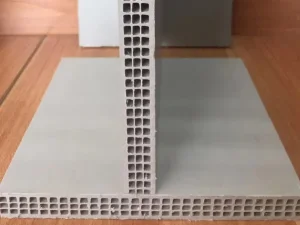
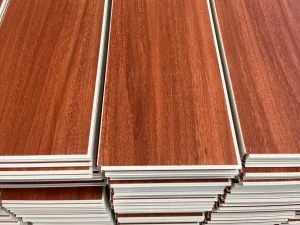
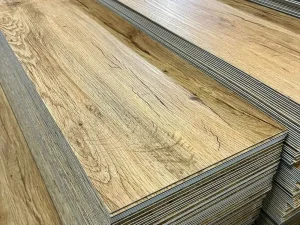
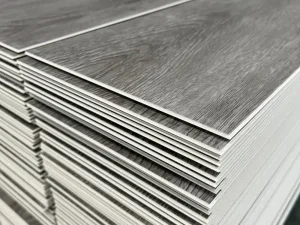
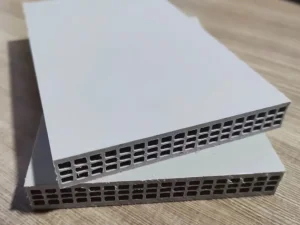
The Evolution of China Laying Vinyl Tiles Sourcing & Technical Benchmarks
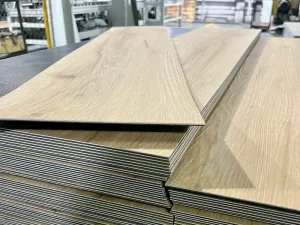
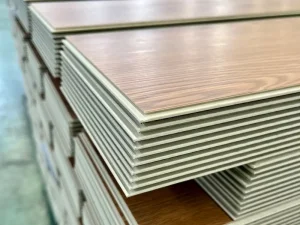
Analyzing the paradigm shift in resilient flooring manufacturing: From traditional flexible PVC sheets to advanced Stone Plastic Composite (SPC) and Rigid Core Luxury Vinyl Tile (LVT) installations worldwide.
Global Market Expansion Trends
The global resilient flooring market is projected to reach $58.4 Billion by 2030, exhibiting a CAGR of 8.1%. Demand is primarily fueled by high-traffic commercial developments, healthcare facility upgrades, and multi-family residential housing construction demanding rapid installation and minimal downtime.
China's OEM/ODM Manufacturing Dominance
China supplies over 65% of the world's LVT and SPC flooring. Key clusters in Jiangsu, such as Greenstar New Materials Shuyang Co., Ltd., leverage automated raw material batching, precision hot-pressing, and integrated UV curing technology to supply international B2B brands, distributors, and general contractors directly.
Supply Chain Resilience & Compliance
Modern procurement strategies mandate complete traceability of plasticizer chemistry (zero-phthalate formulations), heavy metal compliance (RoHS/REACH), and strict indoor air quality standards (FloorScore, Greenguard Gold, French A+ VOC certification).
Anatomy of Engineering-Grade Laying Vinyl Tiles
Understanding the multi-layer composition that dictates structural stability, wear resistance, indentation recovery, and acoustic mitigation in high-performance LVT and SPC systems.
1. Double UV Cross-Linked Shield
Super-cured polyurethane surface infused with microscopic ceramic oxide nanoparticles. Provides ultra-scratch protection, stain resistance, and UV color fastness preventing fading under direct sun exposure.
2. Commercial Wear Layer
Transparent pure PVC film calibrated from 0.3mm (12mil) to 0.7mm (28mil). Engineered to pass EN 660-2 Group T abrasion standards for heavy commercial foot traffic.
3. High-Definition Decor Film
Rotogravure multi-color printed film recreating natural European Oak, Walnut, Slate, and Italian Marble textures with zero repetition over 10m² space.
4. SPC / LVT Core Matrix
For SPC: Calcium Carbonate (CaCO3) limestone powder combined with PVC polymer matrix in a 3:1 ratio, yielding an ultra-dense, 100% waterproof rigid core resistant to thermal expansion.
Technical Comparison Matrix: Laying Vinyl Tiles vs Traditional Substrates
| Performance Parameter | Greenstar SPC Rigid Vinyl | Dry Back LVT Flooring | Traditional Ceramic Tile | Solid Hardwood |
|---|---|---|---|---|
| Dimensional Stability | ≤ 0.06% (ISO 23999) | ≤ 0.15% (ISO 23999) | ≤ 0.01% | High Expansion / Shrinkage |
| Waterproof Capability | 100% Hydrophobic Core | 100% Surface Hydrophobic | Waterproof (Grout porous) | Vulnerable to Cupping & Rot |
| Subfloor Imperfection Tolerance | High (Rigid core spans small gaps) | Low (Requires telegraphing prep) | Low (Requires mortar bed) | Medium |
| Acoustic Insulation (IIC / STC) | Up to 72 dB (with IXPE Underlay) | 48-55 dB (Glue-dependent) | 38-42 dB (Reflective) | 50-54 dB |
| Installation Speed (m²/day/installer) | 80 - 120 m² (Click-Lock) | 40 - 60 m² (Adhesive) | 15 - 25 m² (Tile/Grout) | 20 - 30 m² (Nail/Glue) |
Master Protocol: Laying Vinyl Tiles with Zero-Defect Execution
A rigorous, step-by-step engineering standard for project managers, commercial flooring contractors, and site supervisors to eliminate job-site failures, telegraphing, plank separation, and perimeter buckling.
Perform ASTM F2170 Relative Humidity (RH) testing using in-situ probes (must be <85% RH) or ASTM F1869 Calcium Chloride test (<5 lbs/1000 sq.ft/24 hrs). Apply epoxy moisture barrier if thresholds are exceeded.
Ensure subfloor flatness tolerance within 3mm over 3 meters (1/8" over 10 feet). Grinding concrete high spots and applying a high-compressive-strength (>3000 PSI) polymer-modified self-leveling underlayment is mandatory for dry back LVT.
Store unopened flooring cartons horizontally inside the climate-controlled installation space for a minimum of 48 hours. Ambient temperature must be maintained between 18°C and 29°C (65°F to 85°F) before, during, and after laying vinyl tiles.
Establish central chalk lines to ensure symmetrical borders. Plank end-joints must maintain a minimum stagger of 30cm (12 inches) between adjacent rows to prevent structural weakness in click or glue bonding.
For Glue-down LVT: Use acrylic pressure-sensitive adhesive applied with a 1/16" x 1/16" x 1/16" square-notch trowel; roll floor with a 100-lb three-section roller within 40 minutes. For SPC: Angle-angle or 5G click drop-lock profile engagement.
Critical Field Note: Expansion Joint Perimeter Geometry
When laying vinyl tiles (especially SPC rigid core), contractors must install a continuous 6mm to 8mm expansion gap around all perimeter walls, structural columns, and fixed vertical objects. For continuous runs exceeding 20 linear meters (65 feet), internal T-molding expansion joints are required to accommodate structural thermal dynamics.
Localized Application Scenarios & Regional Compliance
Customized resilient flooring formulations and structural specifications matching regional building codes across North America, Europe, the Middle East, and Asia-Pacific.
Healthcare & Senior Living Facilities
Requirement: Seamless hygiene, high static load resistance (heavy rolling beds), zero phthalates, and continuous anti-microbial surface treatments.
Recommended Spec: 2.5mm Dry Back LVT with 0.7mm (28mil) wear layer or 5.0mm SPC with anti-bacterial UV surface coating passing ASTM G21 fungal resistance.
Multi-Family Residential Developments
Requirement: Fast turnaround installation between tenant leases, sound transmission mitigation between vertical floors, and scuff resistance.
Recommended Spec: 4.0mm to 5.0mm SPC Click Flooring with integrated 1.5mm IXPE acoustic underlayment achieving STC 62 and IIC 65 ratings under ASTM E492 standards.
Retail Chains & Hospitality Spaces
Requirement: High aesthetic appeal, authentic deep embossed wood/stone visuals (EIR - Embossed in Register), heavy footwear wear resistance, flame retardancy.
Recommended Spec: 6.0mm Premium SPC Click plank or 3.0mm LVT engineered with ASTM E648 Class 1 Critical Radiant Flux fire safety compliance.
State-of-the-Art Production: Greenstar New Materials Shuyang Co., Ltd.
Combining 15+ years of chemical engineering expertise with 8 automated production lines to deliver uncompromised quality for international buyers.
Continuous Heat Annealing
Every extruded core batch undergoes controlled thermal stress relief in annealing ovens at 80°C for 60 minutes, ensuring absolute zero internal stress memory and preventing plank doming in extreme hot climates.
German Homag Profiling Lines
Precision click-lock milling utilizing diamond-tipped cutter heads on high-speed Homag machinery. Tolerances maintained within ±0.05mm guarantees flawless, tight click engagement during laying vinyl tiles on site.
In-House 3,000㎡ R&D Laboratory
Rigorous batch testing including 80°C hot water bath dimensional stability, Castor Chair testing (25,000 cycles under EN 425), color lightfastness (ISO 105-B02), and residual indentation (EN 433).
Rapid Export Freight Logistics
Located in Shuyang, Jiangsu, with streamlined access to Shanghai and Lianyungang deep-water sea ports. Standard customized container orders dispatched seamlessly within 7 to 15 days.
Technology Roadmap: Next-Generation Vinyl & Construction Polymers
Greenstar's strategic research initiatives pioneering eco-friendly, circular-economy resilient surfaces and construction formwork systems for the next decade.
1. Bio-Based Non-Phthalate Polymers
Transitioning to 100% bio-derived plasticizers sourced from soybean oil and castor plant extract. Eliminates volatile organic compounds (VOCs) and guarantees zero heavy metal leaching under extreme heat.
2. Closed-Loop Post-Industrial Recycling
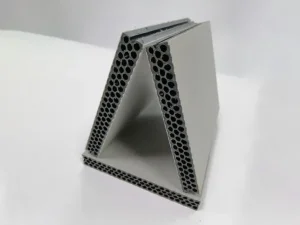
Integrating 100% recyclable PP hollow plastic formwork scrap back into secondary structural cores. Waste zero policy across all 8 manufacturing lines reducing carbon footprint by 42%.
3. Digital Twin EIR Texture Alignment
Deploying AI-driven optical scanner alignment systems to sync laser-engraved steel press plates with printed decor films down to 0.01mm tolerance, achieving indistinguishable real-wood feel.
Frequently Asked Questions for Importers & General Contractors
Technical guidance covering product selection, subfloor preparation, laying vinyl tiles, and factory OEM capabilities.
What is the structural difference between LVT and SPC flooring during laying vinyl tiles?
LVT (Luxury Vinyl Tile) features a flexible vinyl compound composition requiring either full-spread adhesive (Dry Back) or edge bonding. It offers superior acoustic softness and underfoot comfort but requires a perfectly flat subfloor. SPC (Stone Plastic Composite) contains a rigid core combining limestone powder and PVC plasticizers. SPC is 100% waterproof, bridges minor subfloor imperfections, offers extreme impact resistance, and installs rapidly as a floating click-lock system.
How do you calculate wear layer requirements for commercial vs. residential vinyl tile installation?
Wear layer thickness dictates long-term abrasion resistance. For residential spaces, 0.2mm to 0.3mm (8mil - 12mil) is standard. Light commercial spaces (boutiques, offices) require 0.5mm (20mil). Heavy commercial and institutional environments (hospitals, university corridors, retail malls) require 0.7mm (28mil) passivating ceramic-bead-infused wear layers.
Why is subfloor moisture testing mandatory prior to laying vinyl tiles?
High moisture vapor emissions in concrete slabs generate osmotic pressure beneath non-porous vinyl tiles. This can hydrolyze adhesive bonds (causing LVT lifting) or trap alkali salts causing edge curling. Testing via ASTM F2170 (In-situ Relative Humidity) ensures subfloor RH is below 85% before laying vinyl tiles or applying moisture retarders.
Can Greenstar supply custom colors, private label packaging, and OEM dimensions?
Yes. As a direct factory manufacturer integrating R&D, design, and production, we offer comprehensive OEM/ODM solutions. We provide custom rotogravure visual decor matching, custom board thickness (2mm to 7mm), specialized IXPE acoustic backing attachment, cut-to-size plank geometries, and custom printed master cartons with private label branding.
What is the typical lead time and minimum order quantity (MOQ) for export containers?
Our standard MOQ is 1x20ft container (approx. 2,500 - 3,200 m² depending on product thickness). Thanks to 8 active high-capacity production lines located near major shipping ports, our standard order lead time is 7 to 15 days from deposit confirmation.
Complete Sourcing Catalog & High-Demand Products (Bottom Selection)
Direct Factory Orders
Partner with China's Premier Resilient Flooring Manufacturer
Request technical datasheets, certified physical sample swatches, or direct factory FOB/CIF pricing for your upcoming commercial construction or wholesale inventory.
Request Factory Consultation & Free Sample Kit