
Featured Precision Polymer & Building Material Portfolio
Explore our export-ready product series engineered with state-of-the-art polymer extrusion and rigid composite manufacturing standards for international B2B buyers.
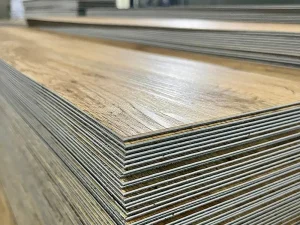
High-Quality Self-Adhesive Vinyl Tiles PVC LVT Plank Flooring Suppliers, Exporter
View Product Specs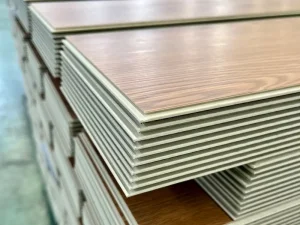
High-Quality Waterproof SPC flooring 4mm with marble and wood color Exporters, Service
View Product Specs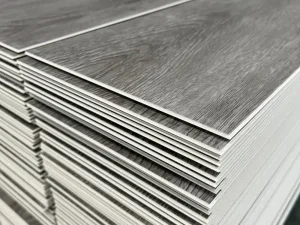
China SPC rigid vinyl plank with wood grain design for indoor flooring Supplier, Exporters
View Product Specs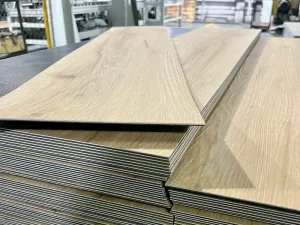
High-Quality LVT SPC Luxury Vinyl Tile Flooring for indoor using Exporter, Service
View Product Specs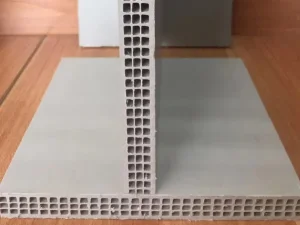
China PP Hollow plastic formwork panel 18mm for concrete Suppliers, Exporters
View Product Specs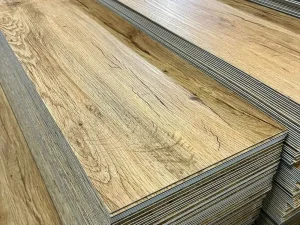
High-Quality Waterproof Plastic Vinyl LVT Glue Down Flooring Suppliers, Exporters
View Product Specs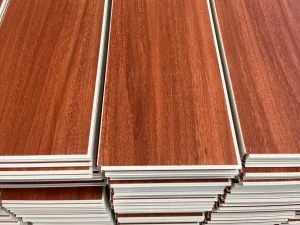
High-Quality Waterproof SPC Vinyl plastic flooring for indoor using Supplier, Exporter
View Product Specs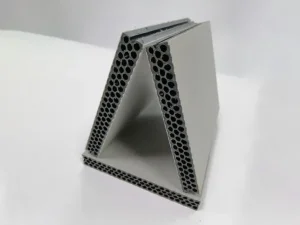
Wholesale Reusable plastic concrete shuttering formwork for construction building Supplier, Exporters
View Product Specs1. Polymer Science & Manufacturing Engineering of Clear PVC Sheets
Polyvinyl Chloride (PVC) clear plastic sheeting represents one of the most versatile thermoplastic polymer structures in modern industrial materials science. Achieving optical glass-like transparency alongside mechanical flexibility requires rigorous control over resin polymerization, plasticizer balance, and thermal processing dynamics.
Calendering vs. Extrusion Processing Mechanics
In Chinese manufacturing ecosystems, two dominant thermal processing methods dictate the molecular alignment and surface quality of clear PVC sheets:
- Multi-Roll Calendering Lines: High-capacity 4-roll or 5-roll inverse-L calendering units knead molten PVC compound at controlled temperatures (160°C to 190°C). This process produces continuous flexible soft PVC clear films and rolls (thickness 0.05mm to 3.0mm) with exceptional gauge uniformity, minimal internal stress, and optical clarity exceeding 92%.
- T-Die Flat Extrusion Lines: Ideal for rigid and semi-rigid clear PVC sheets (thickness 0.5mm to 15mm). Twin-screw or single-screw extruders force plasticized PVC melt through high-precision coat-hanger T-dies followed by three-roll polished chrome stacks, delivering high impact strength, dimensional stability, and superior structural rigidity.
| Physical Property | Technical Test Standard | Soft/Flexible Clear PVC Sheet | Rigid Clear PVC Sheet |
|---|---|---|---|
| Light Transmittance (%) | ISO 13468-1 / ASTM D1003 | ≥ 90% - 92% | ≥ 88% - 90% |
| Shore Hardness | ISO 868 / ASTM D2240 | 60A - 90A | 75D - 85D |
| Tensile Strength (MPa) | ISO 527-2 / ASTM D638 | 15 - 25 MPa | 45 - 60 MPa |
| Flame Retardancy | UL94 / DIN 4102 | Self-extinguishing / V-2 | UL94 V-0 / DIN 4102 B1 |
| Thermal Operating Window | Internal Test Method | -20°C to +60°C | -10°C to +70°C |
2. China PVC Clear Sheet Manufacturing & Exporter Advantages
China has consolidated its position as the global hub for high-grade synthetic polymer sheeting. Overseas importers, distribution networks, and industrial contractors derive multi-tiered technical and commercial benefits by sourcing directly from qualified Chinese manufacturing centers.
Vertical Resin & Chemical Integration
Proximity to world-scale PVC resin synthesis plants and eco-plasticizer facilities enables Chinese factories to secure prime raw materials with minimal supply disruption. This vertical integration guarantees batch-to-batch color index stability and cost-efficiency.
Precision Thickness & Gauge Calibration
Advanced Chinese exporters utilize online beta-ray or infrared laser thickness measurement gauges combined with automatic gauge control (AGC) system rolls. This maintains strict thickness tolerances within ±0.02mm, preventing wave distortion across wide rolls.
Tailored Functional Additive Chemistry
From anti-UV absorbers (Benzotriazole compounds) for prolonged outdoor sun exposure to permanent anti-static agents (106–109 Ω/sq surface resistivity) for cleanrooms, Chinese manufacturers provide fully customized polymer masterbatches.
3. Localized Applications & Macro Industry Solutions
The application spectrum of transparent PVC clear sheets spans heavy construction, industrial logistics, cleanroom engineering, and interior commercial decor. Below is an engineering analysis of how specific grades serve global sectoral requirements:
Cold Storage & Strip Door Curtains
Requirement: Low-temperature flexibility, impact resilience, thermal insulation.
Solution: Polar-grade soft PVC strip curtains containing low-glass-transition plasticizers remain pliable down to -30°C without cracking, blocking cold air leakage in refrigerated logistics facilities.
Cleanroom & Industrial Partitions
Requirement: Dust barrier, anti-static charge dissipation, optical monitoring clarity.
Solution: ESD anti-static PVC clear sheets printed with conductive carbon lines or coated with anti-static layers safeguard microelectronic manufacturing lines from electrostatic discharge hazards.
Heavy Duty Table Protectors & Mats
Requirement: High clarity, heat resistance, scratch resistance, non-yellowing.
Solution: 1.5mm to 3.0mm clear flexible PVC desktop pads polished on dual sides offer glass-like transparency while protecting underlying surfaces against scratches, spills, and heavy impacts.
4. Overseas Enterprise Sourcing & Quality Control Framework
Procurement officers sourcing clear PVC sheets from China must establish a multi-tier Quality Assurance (QA) protocol to ensure compliance with regional regulatory standards and end-use performance demands:
- Chemical Compliance Verification: For European and North American markets, demand third-party lab testing (SGS, TUV, Intertek) confirming compliance with REACH SVHC (Substances of Very High Concern) and RoHS 2.0, verifying zero heavy metals (Lead/Cadmium) and prohibited phthalates (DEHP, DBP, BBP).
- Yellowness Index (YI) Monitoring: Spectrophotometer testing of the Yellowness Index (ASTM E313) must ensure initial YI < 1.0. High-grade UV-stabilized formulations maintain optical transparency under outdoor UV light exposure without browning or clouding.
- Tensile & Tear Strength Testing: Standard ISO 527-3 testing guarantees that soft PVC door strips resist repeated mechanical tearing caused by forklifts and pallet jacks in distribution hubs.
- Ocean Export Packaging Protocol: High-clarity PVC sheets are prone to surface blockiness (sticking) due to static and plasticizer migration. Qualified exporters apply fine anti-blocking starch or PE protective film interlayers, wrapping rolls in moisture-proof Kraft paper on fumigated wooden pallets.
5. Polymer Synergies: PVC Clear Sheets, LVT/SPC Flooring & PP Formwork
Modern synthetic polymer manufacturing is deeply interconnected. The extrusion techniques, plasticizer chemistry, and UV-stabilization mechanisms refined in PVC clear sheet production directly enhance related architectural polymer product lines:
LVT & SPC Flooring Wear Layers
Transparent PVC calendering technology provides ultra-durable, clear wear layers (0.3mm to 0.7mm) laminated atop LVT (Luxury Vinyl Tile) and rigid core SPC (Stone Plastic Composite) flooring, providing scratch resistance, UV fade resistance, and micro-embossed realism.
PP Hollow Formwork Systems
Polyolefin extrusion technologies parallel PVC processing. 18mm PP hollow plastic concrete formwork panels replace traditional plywood in construction, featuring 100% moisture resistance, high reusability (>60 pours), and effortless demolding capabilities.
Container Consolidation Sourcing
Global building material importers optimize freight costs by consolidating transparent PVC protective sheets, resilient SPC/LVT vinyl flooring, and heavy-duty PP shuttering panels in single 20ft or 40ft FCL shipments directly from verified Chinese manufacturers.
Complete Export Catalog: Resilient Vinyl & Construction Solutions
Select from our high-demand international catalogue items available for global OEM, ODM, and direct wholesale supply chains.
High-Quality Waterproof SPC flooring 4mm with marble and wood color Exporters, Service
View Product Specs
China SPC rigid vinyl plank with wood grain design for indoor flooring Supplier, Exporters
View Product Specs
High-Quality LVT SPC Luxury Vinyl Tile Flooring for indoor using Exporter, Service
View Product Specs
China PP Hollow plastic formwork panel 18mm for concrete Suppliers, Exporters
View Product Specs
High-Quality Waterproof Plastic Vinyl LVT Glue Down Flooring Suppliers, Exporters
View Product Specs
High-Quality Waterproof SPC Vinyl plastic flooring for indoor using Supplier, Exporter
View Product Specs
Wholesale Reusable plastic concrete shuttering formwork for construction building Supplier, Exporters
View Product Specs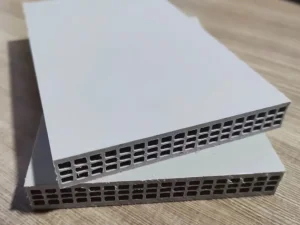
Wholesale PP Plastic Slab Concrete Hollow Formwork 18mm Exporters, Service
View Product Specs6. Technical B2B Sourcing FAQ: China PVC Clear Sheets & Polymer Materials
Detailed answers addressing key procurement queries, quality inspection protocols, and material specifications for overseas buyers.
What are the key technical differences between Calendered Clear PVC and Extruded Clear PVC?
Calendered PVC clear sheeting is produced by passing heated PVC compound through continuous high-precision multi-roll banks. This process is ideal for flexible, soft PVC rolls (0.05mm to 3.0mm thickness), offering superior optical clarity (>90%), smooth surface finish, and excellent tensile elongation. Extruded PVC clear sheet utilizes flat T-dies and polished three-roll stacks, making it suitable for semi-rigid and rigid sheets (0.5mm to 15mm+) with high structural rigidity and impact resistance.
How do Chinese PVC sheet factories prevent yellowing under outdoor sunlight exposure?
Preventing UV-induced polymer photo-oxidation requires incorporating targeted chemical stabilizers into the resin melt. High-grade Chinese exporters formulate clear PVC sheets with Hindered Amine Light Stabilizers (HALS) and Benzotriazole UV absorbers. This additive system neutralizes free radicals generated by solar UV radiation, maintaining initial Yellowness Index (YI < 1.0) and transparency over extended outdoor service lives.
What eco-plasticizers are used to guarantee REACH & RoHS compliance for overseas shipments?
To comply with European REACH SVHC standards and North American safety regulations, export-focused Chinese manufacturers have replaced traditional phthalate plasticizers (such as DEHP/DOP) with eco-friendly Dioctyl Terephthalate (DOTP), Acetyl Tributyl Citrate (ATBC), or bio-based soybean oil plasticizers. These compounds yield zero toxic leaching, no odor, and full compliance with RoHS 2.0 heavy metal restrictions.
What thickness specifications are recommended for industrial strip door curtains vs. desk table pads?
For industrial strip door curtains (cold storage, warehouse entryways), thickness typically ranges from 1.5mm to 4.0mm with strip widths of 200mm to 400mm, ensuring adequate self-weight for wind resistance and thermal sealing. For clear protective table mats and desk covers, thickness ranges between 1.0mm and 3.0mm, providing cut resistance, impact damping, and lay-flat stability.
How can overseas buyers verify gauge tolerance and optical clarity prior to shipment loading?
Pre-shipment inspections should mandate micrometer or digital caliper sampling across 10 random points on a roll/sheet width to verify thickness tolerance within ±0.02mm. Optical clarity should be tested via spectrophotometer measuring total luminous transmittance (ASTM D1003 >90%) and haze percentage (<2.5%). Exporters can also provide third-party laboratory test reports (SGS/TUV) prior to balance payment.
Can PVC clear sheeting be welded or fabricated easily for custom enclosure projects?
Yes, thermoplastic clear PVC sheeting exhibits excellent thermal weldability. Soft and rigid PVC clear sheets can be seamlessly joined using High-Frequency (HF) radio waves welding, hot-air welding guns, or specialized solvent cements (tetrahydrofuran-based adhesives). They can also be easily die-cut, sewn with industrial webbing, or eyelet-punched for customized curtain tracks.