
Featured Export-Grade Product Portfolio
High-performance reusable formwork systems and precision surface solutions engineered for global commercial, industrial, and residential construction.

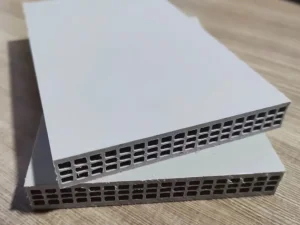

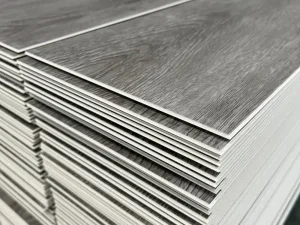
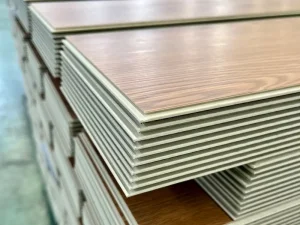
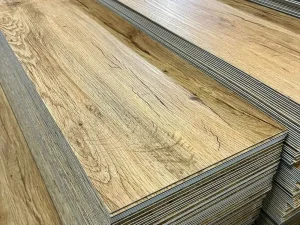
Executive Industry Overview: The Paradigm Shift in Structural Formwork
How Advanced Polypropylene Matrix Composites are Overhauling Construction Economics and Structural Concrete Quality Globally
Operational Cost Optimization
Traditional marine plywood degrades rapidly due to water absorption, alkali reaction, and mechanical damage, lasting barely 3 to 5 reuses. Polypropylene hollow panels eliminate water degradation completely, delivering lower Cost-Per-Use (CPU) metrics across multi-story structural pours.
Chemical & Weather Resilience
Formulated with high-density nano-toughened polypropylene and UV-stabilized polymer matrixes, PP formwork withstands acidic or alkaline concrete additives, extreme thermal swings (-20°C to +90°C), and harsh weather exposure without warping or delaminating.
Fair-Faced Finish Standards
The non-porous, hydrophobic surface properties of extruded plastic panels prevent cement slurry adhesion. Concrete structures poured with PP shuttering achieve architectural mirror-finish qualities, eliminating expensive manual plastering labor prior to secondary finishing.
1. Global Procurement Demand & Macro Sector Analysis
Analyzing the economic drivers pushing tier-1 general contractors and global distributors toward polymer-based structural formwork solutions.
The international building industry is facing compounding pressures: soaring timber prices, stricter carbon emission mandates, escalating on-site labor costs, and elevated standards for concrete structural integrity. Modern megaprojects—ranging from high-rise commercial towers in Dubai to large-scale residential developments in Southeast Asia and Europe—demand formwork materials that drastically accelerate project completion cycles.
Procurement managers evaluating supply chain decisions are moving away from single-use timber towards Hollow Plastic Formwork Systems. Beyond direct material costs, the macro operational savings are driven by:
- Elimination of Chemical Demolding Agents: Traditional timber shuttering requires repetitive oil spraying to avoid concrete sticking. PP formwork features intrinsic chemical inertness, enabling easy stripping without release agents, reducing job-site chemical runoff and recurring chemical procurement expenses.
- Weight Efficiency and Ergonomics: Polypropylene hollow panels weigh approximately 11–13 kg/m² depending on wall thickness (e.g., 18mm standard). This lightweight profile reduces worker fatigue, speeds up installation rates by 30%, and lowers vertical crane hoisting time on high-rise construction sites.
- All-Weather Operability: Unlike timber panels that swell, delaminate, and lose flexural rigidity when exposed to monsoon rains or atmospheric humidity, hollow plastic formwork maintains complete dimensional stability regardless of ambient moisture or precipitation.
2. Technical Architecture & Materials Science
Deep engineering insights into the polymer formulation, mechanical rib structure, and thermal performance dynamics.
Polymer Matrix Engineering
Manufactured using virgin polypropylene co-polymers reinforced with high-aspect-ratio glass fiber nano-particles and micro-silica fillers. This formulation increases impact toughness and flexural elastic modulus while maintaining high ductility to prevent brittle fracturing under heavy impact load.
Hollow Core Structural Ribbing
The internal cross-sectional profile utilizes a computer-optimized vertical and triangular ribbing matrix. This design maximizes moment of inertia ($I$), minimizing mid-span deflections when subjected to wet concrete hydrostatic pressure according to EN 12812 structural deflection criteria.
Thermal Expansion Control
Incorporating custom thermal stabilizers mitigates linear thermal expansion co-efficients ($\alpha$). Panels maintain flat planar tolerances during high-exotherm concrete hydration processes or under direct sunlight exposure in tropical climate construction zones.
3. Comprehensive Material Benchmarking Matrix
Objective technical side-by-side comparison across key structural, economic, and operational metrics.
| Performance Criterion | PP Hollow Plastic Formwork | Phenolic Film-Faced Plywood | Aluminum System Formwork | Steel Formwork Systems |
|---|---|---|---|---|
| Average Reuse Cycles | 60 – 100+ Cycles | 3 – 8 Cycles | 150 – 300 Cycles | 200 – 300 Cycles |
| Water Absorption Rate | 0.00% (Complete Impermeability) | 12% – 25% (Swells/Delaminates) | 0.00% | 0.00% (Prone to Corrosion) |
| Average Weight (18mm) | 11 – 13 kg/m² (Lightweight) | 12 – 14 kg/m² | 20 – 25 kg/m² (Panelized) | 40 – 60 kg/m² (Requires Heavy Crane) |
| Release Agent Needed | No (Hydrophobic Surface) | Yes (Mandatory Every Pour) | Yes (Mandatory) | Yes (Heavy Oil Needed) |
| Concrete Surface Quality | Fair-Faced Smooth Finish | Variable / Grain Transfer | Smooth / Joint Marks | Smooth / Discoloration Potential |
| Workability (Cut/Nail/Drill) | Excellent (Standard Tools) | Good (Splinters easily) | Poor (Requires specialized factory) | Poor (Requires site welding/cutting) |
| Scrap / Salvage Value | High (100% Recyclable Material) | Zero (Landfill / Burning Waste) | High Metal Scrap Value | Moderate Scrap Value |
4. Sector-Specific Structural Engineering Solutions
Customized operational methodologies for applying plastic shuttering across diverse structural configurations.
Elevated Slabs & Decking
In floor slab construction, PP hollow panels act as ideal drop-head shuttering decking. Their seamless jointing prevents cement paste leakage at panel borders, ensuring uniform slab thickness and preventing honeycombing around steel rebar grids.
Shear Walls & Structural Columns
Utilizing high-strength tie-rod sleeve hole placements, PP formwork withstands lateral concrete pressures up to 60 kN/m². Panels accept standard timber or steel wall-waling props for rapid plumb alignment.
Bridge Culverts & Infrastructure
For subterranean, tunnel, and maritime bridge pier casting where continuous humidity and water exposure destroy timber, waterproof PP plastic formwork remains dimensionally stable during long-duration concrete curing.
Precast Concrete Element Factories
Precast yards benefit from standardized, highly repetitive casting molds. The non-stick plastic surface allows immediate stripping after steam curing, accelerating table-turnover speed in precast production lines.
5. Technical Roadmap & Future Innovation (2025–2030)
Driving sustainable innovation through advanced materials science and circular economy engineering.
As building codes align with global Net-Zero carbon goals, formwork manufacturing is undergoing rapid technological evolution. The future development roadmap for our polymer research centers focuses on three core pillars:
1. Smart-Sensor Integrated Panels (IoT-Enabled Shuttering)
Integration of embedded micro-sensors within the hollow polymer ribbing to monitor real-time concrete temperature curing curves, moisture dissipation, and lateral pressure buildup, allowing contractors to optimize stripping times scientifically.
2. Closed-Loop Circular Buyback Programs
Establishing closed-loop supply chains where damaged or fully used panels from completed construction sites are repurchased, ground into raw polymer granules, re-stabilized, and re-extruded into new high-performance formwork panels with zero material degradation.
3. AI-Designed Modular Interlocking Profiles
Developing tool-less, ultra-fast interlocking boundary joints engineered via generative design to further minimize hand-tool usage on job sites and decrease slab assembly time by an additional 25%.
6. Global Commercial Footprint & Compliance Assurance
Delivering worldwide exporter logistics, international testing compliance, and end-to-end technical service.
Export Scale & Container Loading
Operating dedicated high-speed automated extrusion lines, ensuring consistent dimensional tolerances. Optimized container loading protocols (20GP / 40HQ) ensure maximum sheet density per shipment, keeping overseas freight costs minimal.
International Testing Compliance
Rigorously tested and certified according to ISO 9001 quality management systems, ASTM D638 tensile properties, ASTM D790 flexural strength standards, and EN 13377 structural timber/panel performance criteria.
Technical On-Site Support
Our dedicated engineering service provides panel layout structural CAD assistance, site carpentry training webinars, and localized technical guidance for global construction firms and regional distributor networks.
7. On-Site Construction Handling & Technical SOP
Standard Operating Procedures to maximize lifecycle reusability and maintain superior job-site safety.
Cutting & Sizing
Panels can be cut using standard woodworking circular saws with alloy tooth blades. High blade speed produces clean, burr-free edges without edge melting.
Nailing & Fastening
Drive standard steel nails or screws directly into the plastic surface at least 10mm away from panel borders. The polymer matrix exhibits strong nail-holding strength.
Joint Sealing
For high-fluid self-consolidating concrete (SCC) pours, seal panel interface joints using standard foam tape or PVC joint strips to prevent moisture bleed.
Stripping & Storage
Strip formwork gently using plastic wedges. Wash off light surface slurry using a pressure washer hose, then stack flat away from direct heat sources.
Complete Structural & Surface Portfolio
Explore our full line of export-ready formwork panels and resilient indoor surface flooring systems.
Frequently Asked Questions (FAQ) for Civil Engineers & Buyers
Technical answers directly from our engineering team regarding performance, logistics, and site applications.
Hollow Plastic Formwork is extruded from high-density polypropylene (PP) modified with nano-reinforcement fillers. Unlike timber plywood which absorbs water, rots, and delaminates under concrete's chemical alkalinity, PP plastic is 100% waterproof and chemically inert. It does not react with cement hydrates, allowing it to maintain its dimensional integrity and mechanical surface strength across 60 to over 100 pours with proper care.
No. The non-polar, hydrophobic surface property of polypropylene prevents cement slurry from bonding to the formwork face. Concrete strips cleanly without applying demolding oil. This reduces recurring chemical release agent purchasing costs, keeps job sites cleaner, and prevents chemical contamination of the fresh concrete surface.
Yes. PP hollow formwork features high workability. Site carpenters can use standard circular saws, hand saws, or woodworking drills. Standard steel nails or screws can be driven into the plastic panels, offering nail-holding strength comparable to timber without splitting or cracking the panel edges.
Our export-grade polymer formulation includes thermal stabilizers and impact modifiers. The panels perform reliably across a broad thermal envelope from -20°C to +90°C. They resist cold brittleness during winter pours and prevent thermal softening or warping under hot summer sun conditions in equatorial construction regions.
The standard industry dimensions are 1220 x 2440mm (4ft x 8ft) and 915 x 1830mm (3ft x 6ft). Standard export thicknesses range from 12mm, 14mm, 15mm, 16mm, to 18mm. The 18mm PP panel is the most requested specification for structural slab and shear wall casting.
Unlike plywood shuttering which ends up in landfills or incinerators as hazardous chemical waste, polypropylene formwork is 100% recyclable. Worn or damaged panels can be sold to plastic recyclers or returned via our factory buyback program, converting waste into reusable raw plastic materials and supporting green building ESG metrics.