
Featured Installing LVT & Structural Formwork Solutions
Explore our tier-1 enterprise line of waterproof LVT/SPC rigid core systems and construction-grade PP hollow formwork engineered for global commercial deployment.
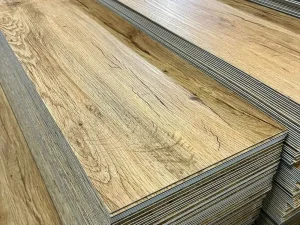
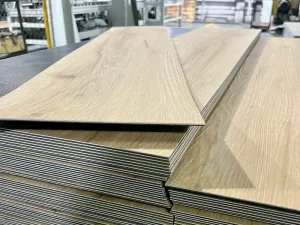
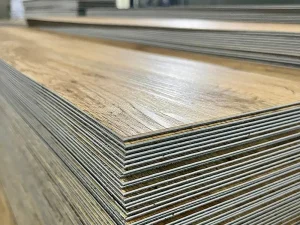
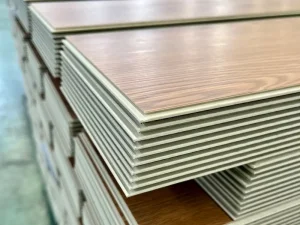
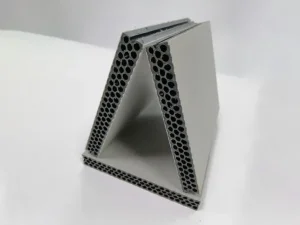
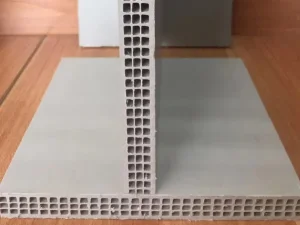
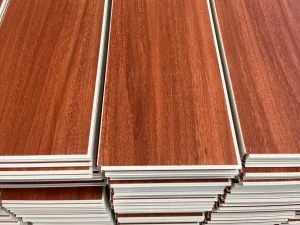
Executive Summary: The Evolution & Technical Roadmap of Installing LVT Systems
In contemporary architectural engineering and commercial space design, Luxury Vinyl Tile (LVT) installation has evolved from a simple aesthetic finishing task into a highly sophisticated polymer polymer-engineering science. High-quality LVT installation demands an intimate understanding of viscoelastic material behavior, subfloor rheology, precision adhesive cross-linking dynamics, and long-term dimensional stability metrics under fluctuating ambient microclimates. As global building standards push toward decarbonization, indoor air quality (IAQ) compliance, and rapid project turnaround times, top-tier installing LVT suppliers and technical service providers play a pivotal role in mitigating structural floor failures and maximizing lifecycle return on investment (ROI).
The modern technical roadmap of LVT installation encompasses four distinct structural topologies: traditional Dry-Back Glue-Down LVT, Loose-Lay Resilient Systems, Click-Lock Rigid Core Formulations (SPC/WPC Hybrids), and Self-Adhesive Engineered Vinyl Planks. Each installation methodology requires specialized installation protocols, specific subfloor moisture tolerances (measured via ASTM F2170 relative humidity probes), and precise chemical bonding agents.
1. Evolutionary Milestones in LVT Flooring Formulations
The historical trajectory of resilient flooring has transitioned from high-plasticizer flex-polyvinyl chloride (PVC) substrates to advanced composite cores engineered with nano-particle reinforced UV surface treatments. Modern high-performance LVT incorporates multi-layered cross-linked polymer matrices:
- Cross-Linked Polyurethane Wear Layers: Infused with ceramic micro-beads or aluminum oxide particles to deliver scratch resistance exceeding 10,000 cycles on the Taber Abraser scale (EN 660-2).
- High-Definition Embossed-in-Register (EIR) Film: Utilizing 3D laser-engraved optic layers that mirror natural timber grain and mineral stone textures with sub-micron tactile precision.
- Glass Fiber Stabilization Layers: Embedded non-woven glass fiber webs that reduce thermal linear expansion coefficients to less than 0.10% (ISO 23999), preventing edge curling and joint gapping under direct thermal loads.
- High-Density Polymer Core Base: Utilizing virgin PVC resins blended with non-phthalate plasticizers (DOTP) or stone-plastic composite (SPC) virgin calcium-carbonate matrices for superior indentation resistance (BS EN 433).
Micro-Thermal Stability
Advanced glass-fiber skeleton technology guarantees dimensional tolerance across extended temperature ranges (-15°C to 60°C), eliminating hot-spot expansion near floor-to-ceiling glass facades.
Acoustic Attenuation
Integrated acoustic underlays (IXPE / EVA) engineered into rigid LVT/SPC systems provide Impact Insulation Class (IIC) ratings up to 72 dB, complying with stringent multi-family residential building codes.
VOC & IAQ Compliance
100% Phthalate-free plasticizers and low-emitting water-borne adhesives certified under FloorScore® and Greenguard Gold standards for ultra-pure indoor air quality.
Macro Industry Solutions: Sector-Specific Engineering Integration
Deploying specialized LVT installation systems and subfloor prep strategies tailored to the unique operational stresses of modern enterprise infrastructure.
Healthcare & Sterile Medical Environments
In hospitals, surgical suites, and cleanrooms, installing LVT requires hygienic, seamless surface continuity. Installing glue-down LVT with heat-welded rod seams or flash-coving edge details prevents bacterial accumulation in substrate crevices. Combined with specialized anti-microbial surface treatments, our LVT systems resist aggressive disinfectant chemicals, betadine staining, and static/dynamic loads from heavy rolling hospital beds (compliant with ASTM F2753 rolling load resistance testing).
Hospitality, High-End Retail & Mixed-Use Hubs
For luxury hotels, flagship retail outlets, and airport lounges, visual brand alignment must match high-footfall durability. Utilizing high-definition EIR wood and stone LVT tiles allows developers to capture upscale natural aesthetics without acoustic echo or costly maintenance. Micro-bevel click-lock SPC options permit rapid overnight installation without commercial disruption, eliminating solvent odors and reducing downtime revenue losses.
Commercial Construction & Subfloor Formwork Synergy
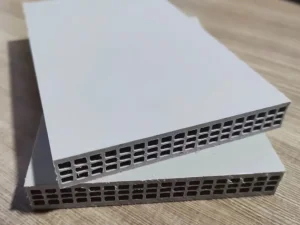
A successful LVT installation starts at the structural slab stage. By pairing our high-grade installing LVT solutions with our enterprise 18mm PP Hollow Plastic Concrete Formwork Panels, construction projects achieve smooth, flat poured concrete subfloors straight out of the curing phase. This structural synergy minimizes self-leveling underlayment compound consumption, drastically reducing subfloor surface prep costs and mechanical grinding timelines.
High-Density Multi-Family & Build-To-Rent (BTR) Development
Multi-family property owners require floor coverings that endure quick tenant turnovers, pets, and moisture exposure. Loose-lay and drop-lock SPC planks with pre-attached IXPE acoustic pads deliver superior Impact Sound Transmission reduction (ΔIIC > 21 dB) between vertical building floors while enabling rapid single-plank replacement if localized damage occurs.
Precision Installation Engineering & Subfloor Preparation Protocol
The performance of any installing LVT system is fundamentally bound to subfloor physics and climate conditioning. Over 85% of premature resilient floor failures—including joint telegraphing, seam peaking, blistering, and adhesive shear failure—originate from inadequate substrate preparation rather than manufacturing defects. Professional installing LVT service providers adhere to strict engineering standards:
| Testing Metric / Parameter | Standard Protocol | Threshold Requirement | Engineering Mitigation |
|---|---|---|---|
| Concrete Relative Humidity (RH) | ASTM F2170 (In-situ Probes) | < 80% (Glue-down) / < 95% (Click SPC) | Apply 100% solids epoxy moisture vapor barrier (ASTM F3010) if exceeded. |
| Moisture Vapor Emission (MVER) | ASTM F1869 (Calcium Chloride) | < 3 lbs / 1,000 sq ft / 24 hours | Utilize high-moisture tolerant acrylic or polyurethane adhesives up to 10 lbs MVER. |
| Subfloor Surface Flatness | ASTM F710 / ACI 117 | 3/16 inch in 10 feet (4.7mm in 3m) | Diamond grinding of high spots; apply high-compressive cementitious self-leveler. |
| Substrate Surface pH | ASTM F710 (pH Paper Test) | pH Range 7.0 to 9.0 | Acid etching or neutral water-rinsing to avoid alkaline breakdown of latex adhesives. |
| Site Thermal Acclimatization | ISO 10582 / ASTM F1700 | 18°C to 29°C for 48 hours prior | Condition HVAC units prior to, during, and 72 hours post-installation. |
Key Steps in High-Yield Installing LVT Contracting:
- Substrate Cleaning & Mechanical Profiling: Vacuum removal of shot-blast residue, oil, curing compounds, and old adhesive residues to establish a CSP 1–2 surface profile.
- Laser-Guided Room Layout & Grid Alignment: Establishing primary baseline axes from structural room centers to minimize narrow peripheral cut pieces (< 50mm width) along walls.
- Adhesive Notch Trowel Selection & Open Time Management: Using fine 1/16" x 1/16" x 1/16" square-notch trowels for smooth-backed LVT. Ensure correct tack time to prevent adhesive displacement or trowel-ridge telegraphing.
- Heavy Roller Compaction: Utilizing a 100-lb (45kg) three-section steel floor roller within 30 minutes of lay-down to guarantee 100% wet adhesive transfer and eliminate trapped air pockets.
China Factory 4.0: Supply Chain Resilience & Cost-Efficiency
How automated manufacturing technology, continuous inline quality control, and strategic port logistics deliver unmatched enterprise value to global buyers.
Automated Extrusion & Inline Profiling
Our Shuyang manufacturing base operates 8 high-capacity extrusion lines integrated with real-time laser ultrasonic thickness gauges. This guarantees micro-level dimensional precision across every LVT board and SPC core, maintaining a core thickness tolerance within ±0.05mm.
AI-Powered Optical Defect Inspection
Every square meter of decorative film and protective wear layer passes through high-resolution AI optical scanners during calendering. System algorithms instantly flag and segregate minor surface flaws, color shifts (ΔE < 0.3), or micro-scratches prior to packaging.
Port-Proximity Freight Optimization
Located in Jiangsu province near major eastern Chinese maritime hubs (Lianyungang, Shanghai, Ningbo), our production hub streamlines container loading. Automated palletization systems optimize container cubic volume utilization, cutting ocean freight costs per unit by up to 14%.
Global Enterprise Procurement Requirements & Regulatory Standards
Enterprise buyers, multinational construction conglomerates, and international floor covering distributors require seamless compliance alignment before onboarding overseas suppliers. As a leading China LVT manufacturer and exporter, our products undergo rigorous third-party testing to fulfill regional building codes across Europe, North America, Oceania, and the Middle East.
Essential International Standards Compliance:
- CE Marking (EN 14041): Mandatory compliance for European market distribution, verifying reaction to fire (Class Bfl-s1), slip resistance (Class DS), and formaldehyde release (E1).
- FloorScore® Certification: Rigorous laboratory testing for volatile organic compound (VOC) emissions, ensuring compliance with California CDPH Section 01350 indoor air metrics.
- ISO Integrated Management: Operations certified under ISO 9001 (Quality Management System) and ISO 14001 (Environmental Management System).
- ASTM Specifications: Fully tested for Wear Resistance (ASTM F510), Critical Radiant Flux / Fire Safety (ASTM E648 Class 1), and Residual Indentation (ASTM F1914).
- REACH & Heavy Metal Compliance: Free from SVHC chemicals, lead, cadmium, and hazardous orthophthalates.
Custom OEM/ODM & Private Labeling Capability:
We empower enterprise brands and regional wholesalers by offering end-to-end custom manufacturing services:
- Custom decor film printing with exclusive regional design protection.
- Tailored board dimensions, plank thicknesses (2.0mm to 8.0mm), and wear layer depths (0.2mm to 0.7mm / 8mil to 28mil).
- Specialized click profile integration (Unilin, Valinge 2G/5i) under official licensing.
- Custom branding, barcoding, drop-test certified carton packaging, and palletization specs.
Explore Complete Installing LVT & Formwork Range
Select your target specification below to request direct factory quotes, technical data sheets (TDS), and physical sample packs.
Frequently Asked Questions (FAQ) & Sourcing Guide
Addressing critical technical, logistical, and installation inquiries from procurement managers and general contractors worldwide.
What are the critical engineering differences between Glue-Down LVT and Click-Lock SPC during installation?
Glue-down LVT (typically 2.0mm–3.0mm thick) requires a perfectly smooth, patch-finished concrete subfloor and direct-set acrylic adhesive bonding. It delivers outstanding acoustic dampening under footfall and allows localized single-tile replacement. Click-lock SPC (4.0mm–8.0mm thick featuring a limestone-PVC rigid core) installs as a floating floor system over minor subfloor irregularities. SPC provides 100% waterproof resilience and faster installation speed without adhesive drying delays, making it ideal for fast-track commercial fit-outs.
How do you test concrete subfloor moisture before installing glue-down LVT flooring?
We recommend performing two quantitative standard tests: ASTM F2170 (In-situ Relative Humidity Probes) and ASTM F1869 (Anhydrous Calcium Chloride Test). For standard acrylic glue-down LVT installation, concrete relative humidity must not exceed 80% RH or 3 lbs/1000 sq ft/24 hrs MVER. If moisture levels exceed these thresholds, a specialized epoxy moisture mitigation barrier (complying with ASTM F3010) must be applied prior to adhesive application.
Why is subfloor preparation with 18mm PP Hollow Plastic Formwork advantageous for LVT installers?
18mm PP Hollow Plastic Formwork panels produce non-porous, ultra-smooth concrete slab surfaces during casting. Unlike traditional plywood shuttering that absorbs moisture, warps, and leaves rough grain textures on cured concrete, PP hollow formwork eliminates major surface defects. This reduces the required volume of costly self-leveling cementitious underlayments before installing LVT by up to 35%.
What is your typical export lead time and minimum order quantity (MOQ) for custom LVT orders?
Our standard production lead time ranges from 7 to 15 days from deposit confirmation, backed by 8 continuous extrusion lines near Shanghai/Lianyungang ports. MOQ for standard stocking decors is as low as 500 sq.m per color, while fully customized OEM orders (custom wear layer, specialized locking joint, private carton printing) typically require 1x20' GP container volume (~2,500–3,200 sq.m depending on plank thickness).
How does your factory ensure color consistency (ΔE) across multiple batch shipments?
We source decorative visual films from top-tier continuous gravure printing mills under strict master-batch color tolerances. During lamination and UV curing, inline spectrophotometers monitor color values across X/Y coordinates. We lock batch production runs with precise Delta E (ΔE < 0.3) color thresholds and retain physical master swatches for up to 24 months to ensure seamless color matching on repeat orders.
Which wear layer thickness is required for heavy commercial LVT applications?
For standard residential areas, a 0.2mm–0.3mm (8mil–12mil) wear layer is sufficient. For heavy commercial environments such as hospital corridors, supermarket aisles, school classrooms, and hotel lobbies, we mandate a 0.55mm to 0.70mm (22mil to 28mil) cross-linked polyurethane wear layer reinforced with ceramic microspheres to guarantee a 10–15 year commercial wear warranty.
Ready to Elevate Your Flooring Project Specifications?
Contact our engineering export team today for technical data sheets, physical sample kits, container loading quotes, or subfloor project consultations.