
Featured Commercial Vinyl Flooring & Formwork Solutions
Precision-engineered LVT planks, SPC rigid cores, and industrial concrete formworks ready for containerized global export.
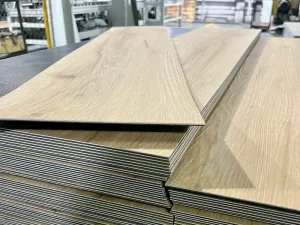
High-Quality LVT SPC Luxury Vinyl Tile Flooring for Indoor Use
View Specs & Service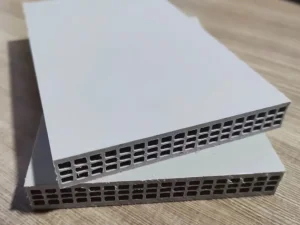
Wholesale PP Plastic Slab Concrete Hollow Formwork 18mm
View Specs & Service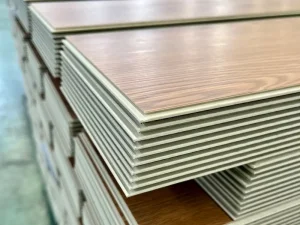
High-Quality Waterproof SPC Flooring 4mm (Marble & Wood)
View Specs & Service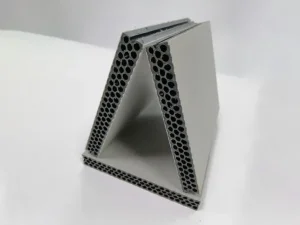
Wholesale Reusable Plastic Concrete Shuttering Formwork
View Specs & Service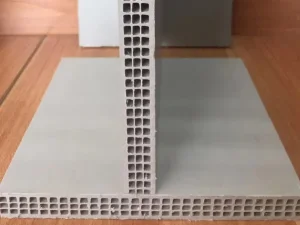
China PP Hollow Plastic Formwork Panel 18mm for Concrete
View Specs & Service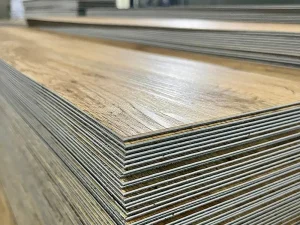
High-Quality Self-Adhesive Vinyl Tiles PVC LVT Plank Flooring
View Specs & Service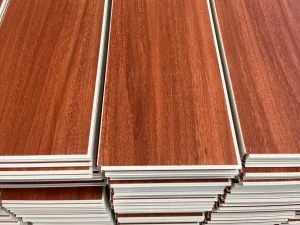
High-Quality Waterproof SPC Vinyl Plastic Flooring Indoor
View Specs & Service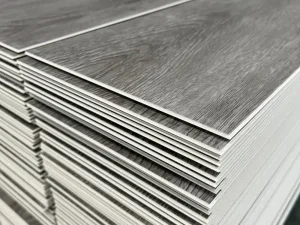
China SPC Rigid Vinyl Plank Wood Grain Design Indoor Flooring
View Specs & ServiceGlobal Trends in Installing Vinyl Tile Flooring: Macro Factors Driving Resilient Flooring Demand
An authoritative breakdown of global architectural specification shifts toward LVT and SPC rigid core systems across commercial, institutional, and residential real estate sectors.
The global interior building products industry is undergoing a seismic structural transition. Driven by strict acoustic regulations, environmental decarbonization mandates, and high labor cost pressures in Western economies, traditional surface coverings such as solid hardwood, ceramic tile, and broadloom carpet are rapidly surrendering market share to engineered polymeric surfaces. Foremost among these modern resilient surfaces is installing vinyl tile flooring—specifically Luxury Vinyl Tile (LVT) and Stone Plastic Composite (SPC) rigid core planks. Global architectural specifications reflect an accelerating preference for flooring systems that combine sub-millimeter dimensional stability, rapid dry-interlock assembly, and high resistance to hydrostatic pressure and foot-traffic wear.
According to recent industry trade metrics, the global resilient vinyl flooring market is projected to expand at a compound annual growth rate (CAGR) exceeding 7.8% over the coming decade. This sustained expansion is anchored in key technological breakthroughs: ultra-dense mineral core extrusion, ceramic-bead UV surface coatings, photorealistic high-definition gravure decorative film printing, and patented mechanical click-locking profiles (such as Unilin and Valinge 5G systems). For international B2B importers, EPC contractors, real estate developers, and building material distributors, navigating this evolving ecosystem requires a rigorous technical understanding of polymer science, manufacturing tolerances, subfloor mechanics, and global export logistics.
Nanotechnology Wear Coatings
Advanced cross-linked polyurethane UV coatings embedded with micro-ceramic aluminum oxide nanoparticles deliver exceptional abrasion resistance (Taber abrasion test > 25,000 revolutions) and micro-scratch protection in heavy-duty commercial zones.
Rigid Core Hydro-Stability
SPC formulations utilizing high-purity natural calcium carbonate (CaCO3) blended with virgin polyvinyl chloride resin yield an ultra-dense core (2.0–2.1 g/cm³) that exhibits zero volumetric swelling or structural degradation under 100% direct water immersion.
Acoustic Dampening Integration
Factory-pre-attached IXPE (Irradiated Cross-linked Polyethylene) or high-density EVA acoustical underlayments significantly reduce Impact Insulation Class (IIC) and Sound Transmission Class (STC) noise transfer across multi-family floor assemblies.
Analyzing Global Corporate Procurement Demands: Total Cost of Ownership & Compliance
How enterprise buyers evaluate vinyl tile suppliers through total life-cycle economics, environmental compliance certifications, and supply risk mitigation.
When procurement managers for major retail chains, healthcare networks, multi-family developers, and hospitality conglomerates search for trusted vinyl flooring exporters, their purchasing decisions extend far beyond initial FOB price-per-square-meter figures. Modern B2B procurement strategies center on analyzing the Total Cost of Ownership (TCO), which incorporates freight economics, speed of installation, job-site failure rates, warranty risk, and long-term maintenance costs.
The primary pain points for international procurement officers include batch-to-batch visual variation, locking profile breakage during high-speed installation, edge cupping due to thermal instability, and chemical off-gassing that violates strict indoor air quality standards. To meet global tender requirements, professional vinyl tile flooring exporters must maintain rigorous quality assurance protocols backed by international certification frameworks:
| Evaluation Parameter | International Standard | Export Technical Benchmark | Impact on Project TCO & Job-Site Risk |
|---|---|---|---|
| Dimensional Stability | EN 434 / ASTM F2199 | ≤ 0.10% contraction/expansion after heat exposure (80°C for 6 hrs) | Prevents unsightly seam buckling, gapping, and cupping under direct sunlight or HVAC fluctuation. |
| Residual Indentation | EN 433 / ASTM F1914 | ≤ 0.05 mm static loading recovery | Protects commercial floors from permanent indentations under heavy static furniture or rolling loads. |
| Indoor Air Quality (VOC) | FloorScore / CDPH Standard Method v1.2 | Zero Phthalates, TVOC < 0.5 mg/m³, Formaldehyde Free | Mandatory for LEED v4 / WELL project credits; ensures non-toxic indoor air in schools and hospitals. |
| Acoustic Performance | ASTM E492 (IIC) / ASTM E90 (STC) | Delta IIC ≥ 21 dB with 1.5mm attached IXPE pad | Fulfills strict sound insulation requirements for multi-family residential zoning and hotel suites. |
| Fire & Slip Resistance | EN 13501-1 / ASTM E648 / DIN 51130 | Class Bfl-s1 (Flame Retardant), Critical Radiant Flux > 0.45 W/cm², Slip R10 | Satisfies commercial building safety codes for emergency exit corridors and public gathering spaces. |
China Factory 4.0: Modern Manufacturing, Supply Chain Resilience & Cost-Efficiency
Inside Greenstar’s automated extrusion infrastructure: Leveraging raw material purity, closed-loop quality monitoring, and port-proximity advantages.
The global competitiveness of top-tier Chinese vinyl flooring exporters rests upon the adoption of Industry 4.0 smart manufacturing technologies. Greenstar New Materials Shuyang Co., Ltd., situated in Jiangsu Province, represents the apex of this industrial evolution. Operating eight fully automated continuous high-speed extrusion lines alongside a 3,000 m² dedicated R&D testing complex, the facility bridges raw chemical synthesis with precision mechanical engineering.
The manufacturing edge of China’s advanced vinyl flooring sector is built upon four structural pillars:
100% Virgin Polymer Matrix
Unlike low-cost suppliers who utilize recycled PVC contaminated with heavy metals and phthalate plasticizers, high-grade export manufacturing relies exclusively on 100% virgin PVC resin combined with non-toxic calcium-zinc eco-stabilizers. This guarantees pristine structural integrity and zero toxic off-gassing.
Computer-Controlled Extrusion & Milling
Automated twin-screw extruders regulate core density with real-time laser thickness sensors. Subsequent click profile milling utilizes diamond-tipped HOMAG router heads operating at sub-millimeter tolerances (±0.02mm), ensuring effortless joint engagement.
Port-Proximity Logistics Agility
Strategic location near major Eastern Chinese shipping ports (Lianyungang, Qingdao, Shanghai) optimizes freight consolidation. Standard production turnarounds are compressed to 7–15 days, dramatically reducing lead times for overseas distributors.
Anatomy of Engineered Vinyl Flooring: Structural Layers & Mechanics
Deconstructing the multi-layer physics of Flexible LVT vs. Rigid SPC, mechanical locking profiles, and subfloor load dispersion.
1. The Multi-Layer Cross-Section Architecture
Premium commercial vinyl tiles are complex composite structures, with each distinct layer fulfilling a specific physical function:
- UV Protective Coating: Double-cured polyurethane containing microscopic ceramic particles. Serves as the primary line of defense against solar UV discoloration, staining, and micro-abrasion.
- Transparent Polymeric Wear Layer: Pure virgin PVC film ranging from 0.3mm (12 mil) for residential use up to 0.7mm (30 mil) for heavy commercial installations. Defines the wear resistance class (EN 649 Group T).
- High-Definition Decorative Film: 4K gravure-printed film reproducing natural timber grain, marble, basalt, or micro-cement textures with absolute visual authenticity.
- Extruded Core Matrix (SPC vs LVT):
- LVT Core: Flexible plasticized PVC layers reinforced with glass fiber mesh for flexural resilience and soft underfoot acoustics.
- SPC Rigid Core: Unplasticized stone-polymer formulation (60-70% calcium carbonate + 30% virgin PVC). Provides rigid bridge strength over minor subfloor imperfections.
- Acoustic Pad Backing: Factory-laminated IXPE or EVA foam (1.0mm–2.0mm) providing sound dampening and thermal insulation.
2. Mechanical Locking Systems: Unilin vs. Valinge 5G
For floating vinyl installations, click joint profile design dictates both speed of assembly and long-term joint integrity. High-quality exporter services offer licensed click technologies:
Unilin Angle-Angle Click
Requires angling the tongue into the groove at approximately 20–30 degrees before dropping flat. Offers exceptional tensile pull-out strength (> 3.5 kN/m), making it ideal for large uninterrupted commercial spaces.
Valinge 5G Push-Down Drop Lock
Utilizes a flexible side-tongue mechanism on the short joint. Allows installers to simply push planks straight down with a light rubber mallet tap, boosting installation speeds by up to 40%.
Masterclass Guide: Subfloor Preparation & Professional Installation Protocols
Step-by-step engineering guidelines to prevent job-site failure, cupping, telescoping, and adhesive breakdown during vinyl tile installation.
Over 85% of resilient flooring failures stem from improper subfloor preparation rather than material defects. Professional installation protocols require rigorous adherence to international standards (ASTM F710 and BS 8203):
Phase 1: Subfloor Moisture & Level Testing
Before laying single plank of LVT or SPC vinyl tile, contractors must perform three mandatory diagnostic tests:
- Relative Humidity (RH) Testing (ASTM F2170): In-situ probe testing must read below 85% RH for glued-down LVT and below 95% RH for floating click SPC.
- Moisture Vapor Emission Rate (MVER) (ASTM F1869): Calcium chloride tests should not exceed 5 lbs / 1,000 sq. ft. / 24 hours without specialized moisture mitigation epoxy primers.
- Flatness Standard: The concrete slab must be level within 3mm over a 3-meter radius (1/8 inch over 10 feet). High spots must be mechanically ground down, and low depressions filled with high-compressive-strength cementitious underlayment (> 30 MPa).
Phase 2: Job-Site Acclimatization & Expansion Physics
Unopened material cartons must be laid flat inside the installation environment for a minimum of 48 hours prior to installation. Ambient room temperature must be maintained between 18°C and 26°C (65°F to 80°F), with relative air humidity between 40% and 60%.
For floating click installations, a perimeter expansion gap of 8mm to 10mm must be maintained against all vertical walls, structural columns, and fixed cabinetry. In continuous commercial runs exceeding 20 linear meters (65 feet), expansion T-molding transition strips must be incorporated to accommodate thermal expansion cycles.
Phase 3: Glue-Down vs. Floating Installation Execution
Dryback (Glue-Down) Protocol
Utilize premium acrylic pressure-sensitive adhesive applied with a 1.6mm x 1.6mm x 1.6mm square-notched trowel. Allow adhesive to reach proper "tack" (clear, no transfer to finger) before laying tiles. Roll entire floor in both directions with a 45kg (100 lb) heavy sectional roller within 1 hour of placement.
Click-Lock Floating Protocol
Stagger end-joints row-to-row by a minimum of 30cm (12 inches) to ensure mechanical stability. Avoid over-tapping joints; use a dedicated tapping block to protect milled edges. Never place fixed heavy equipment or bolt machinery directly through floating SPC planks into the subfloor.
Tailored Application Scenarios: Commercial, Industrial & Modern Hybrid Facilities
Selecting the ideal vinyl tile specification for specialized environments based on traffic load, moisture risk, and acoustic targets.
Healthcare & Sterile Clinics
Requires seamless glued-down LVT with cold-welded seams or heavy-duty SPC with antimicrobial UV coating. Resists betadine stains, alcohol sanitizers, and rolling hospital bed loads.
Commercial Retail & Boutique Chains
High foot-traffic zones demand EIR (Embossed-in-Register) surface finishes that mimic real oak or stone while withstanding shopping cart wheels and high heel point pressures.
Hospitality & Multi-Family Residential
Prioritizes rapid turnover times between tenants or guest stays. Floating SPC with pre-attached IXPE backing delivers 100% waterproof protection in kitchens and bathrooms alongside high IIC acoustic ratings.
Heavy Hybrid Construction Synergy
Integrates construction-stage materials—such as Greenstar’s 18mm PP hollow plastic concrete formwork—to cast ultra-smooth, flat concrete slabs that eliminate the need for costly secondary leveling before vinyl tile laying.
Comparative Analysis Matrix: Flooring Category Technical Benchmarks
Data-driven evaluation of LVT Dryback, SPC Rigid Core, WPC, Loose Lay, and Ceramic/Timber alternatives.
| Performance Attribute | Glue-Down LVT | SPC Rigid Core Vinyl | WPC Flooring | Loose Lay Vinyl | Traditional Hardwood |
|---|---|---|---|---|---|
| Core Composition | Flexible PVC Matrix | 70% CaCO3 + 30% PVC | Wood Powder + PVC Foam | Heavy Virgin PVC + Friction Back | 100% Solid/Engineered Wood |
| Waterproof Capability | Surface Waterproof | 100% Core & Surface Waterproof | 100% Waterproof Core | 100% Core Waterproof | Vulnerable to Moisture Swelling |
| Subfloor Tolerance | Requires Smooth Subfloor | Bridges Minor Imperfections | Bridges Subfloor Imperfections | Requires Smooth Level Base | Requires Joists or Plywood Base |
| Dimensional Stability | Moderate (Thermal sensitive) | Superior (< 0.08% expansion) | Good | Moderate | Poor (Expands/contracts seasonally) |
| Acoustic Rating (IIC) | 50-55 dB (Adhesive dependent) | 65-72 dB (with 1.5mm IXPE) | 62-68 dB | 58-62 dB | 45-50 dB |
| Speed of Installation | Moderate (Adhesive dry time) | Fastest (Click floating) | Fast (Click floating) | Very Fast (Perimeter tape) | Slow (Nail/Staple/Glue) |
Life-Cycle Maintenance Protocols & Environmental Sustainability Standards
Maximizing commercial service life while fulfilling global ESG green building standard guidelines.
1. Commercial Maintenance Protocols
While installing vinyl tile flooring drastically reduces daily maintenance expenditure compared to natural timber or polished stone, following a standardized care routine ensures maximum functional service life (> 25 years):
- Daily Dust Control: Utilize non-treated micro-fiber mops or commercial vacuums with soft brush attachments. Avoid rotating beater bars that could scratch the UV coat.
- Damp Mopping: Clean using pH-neutral floor cleaners diluted in warm water. Avoid aggressive solvent cleaners, acetone, or abrasive scouring pads.
- Entrance Matting Protection: Install non-staining rubber-backed walk-off mats at all exterior entrances to capture coarse silica sand and grit, preserving the integrity of the wear layer.
2. Circular Economy & ESG Compliance
Greenstar’s manufacturing philosophy integrates sustainable raw material stewardship. Both LVT and SPC flooring products are 100% recyclable at end-of-life. Thermoplastic cores can be reground and reprocessed into non-structural industrial building products, diverting valuable material from municipal landfills and contributing toward zero-waste-to-landfill building accreditations.
Frequently Asked Questions (FAQ) for Importers & Procurement Engineers
In-depth technical answers addressing material selection, custom branding, shipping logistics, and installation troubleshooting.
What is the critical mechanical difference between LVT and SPC vinyl flooring during installation?
LVT (Luxury Vinyl Tile) features a flexible PVC core requiring either glue-down (dryback) application or a semi-rigid click profile, making it comfortable and quiet underfoot but requiring a perfectly flat subfloor. SPC (Stone Plastic Composite) possesses an ultra-rigid limestone-polymeric core (2.0 g/cm³ density) with negligible thermal expansion. SPC click flooring can float over minor subfloor telegraphing defects without showing dips or ridges.
How does wear layer thickness dictate commercial warranty ratings for vinyl tile?
Wear layer thickness directly dictates abrasion durability. A 0.3mm (12 mil) wear layer is engineered for light commercial and residential application (10–15 year warranty). A 0.55mm (22 mil) wear layer qualifies for heavy commercial zones like retail boutiques and offices (15–25 year commercial warranty). A 0.7mm (30 mil) wear layer is specified for extreme foot-traffic environments like airports, hospitals, and educational facilities.
Can SPC vinyl tile flooring be installed over radiant floor heating systems?
Yes. Due to its high limestone composition, SPC exhibits excellent thermal conductivity and dimensional stability under heat. The radiant heating system must be embedded within the subfloor, with maximum surface temperatures capped at 27°C (80°F). The heating system must be powered on at least 7 days prior to installation and gradually ramped up post-installation.
What custom OEM / ODM services do Chinese exporters provide for overseas distributors?
Integrated manufacturing exporters like Greenstar offer full custom private-label solutions. This includes custom decorative film matching (OEM wood/stone prints), custom core thickness (3.2mm to 7.0mm), specified acoustic underlayment lamination (IXPE, EVA, Cork), custom embossed textures (EIR, hand-scraped, smooth), and branded carton packaging with barcode integration for distributor retail networks.
How do you verify the quality of PP hollow plastic formwork alongside flooring shipments?
When sourcing PP hollow plastic concrete formwork (18mm) for construction projects alongside vinyl flooring, check panel weight-to-thickness ratio, rib density, and thermal impact strength. High-grade polypropylene panels do not absorb moisture, resist ambient temperatures from -20°C to +60°C without warping, and offer over 60 reuse cycles compared to standard 3-5 use plywood shuttering.
What are the lead times and shipping container capacities for international buyers?
Standard lead times for custom container orders range between 7 and 15 business days from factory order confirmation. A standard 20-foot heavy-duty shipping container can hold approximately 2,200 to 2,600 square meters of 4mm SPC flooring (or ~18,000 kg weight limit), optimized with heavy wooden pallet packing to prevent edge damage during sea transit.
Explore Full Commercial Vinyl Flooring & Formwork Range
Connect directly with Greenstar engineers to request technical datasheets, free sample swatches, and containerized FOB quotes.
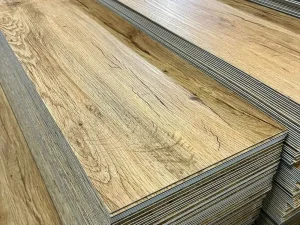
High-Quality Waterproof Plastic Vinyl LVT Glue Down Flooring
View Specs & Service
High-Quality LVT SPC Luxury Vinyl Tile Flooring Exporter
View Specs & Service
Waterproof SPC Flooring 4mm Marble & Wood Designs
View Specs & Service
Self-Adhesive Vinyl Tiles PVC LVT Plank Flooring Exporters
View Specs & Service
Waterproof SPC Vinyl Plastic Flooring for Indoor Project
View Specs & Service
SPC Rigid Vinyl Plank Wood Grain Design Flooring
View Specs & Service
PP Plastic Slab Concrete Hollow Formwork 18mm Exporters
View Specs & Service