
Industrial Plastic Formwork & Resilient Flooring Systems
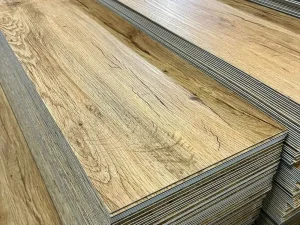
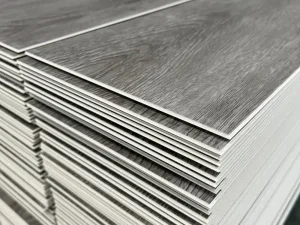
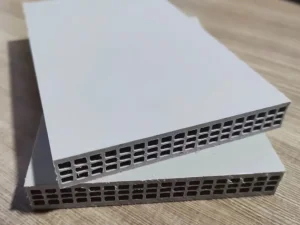
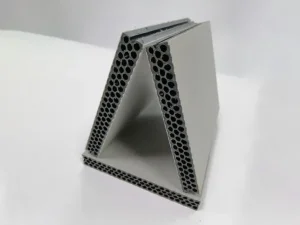
Global Landscape & Technical Paradigm Shift in PVC Column Formwork
An exhaustive structural evaluation of how high-density polyvinyl chloride (uPVC) and micro-foamed composite shuttering systems are replacing traditional timber plywood and steel formwork across multi-story commercial and civil infrastructure projects.
Economic Efficiency & Reuse Factor
While conventional phenolic-faced plywood degrades after 5 to 10 pours, engineered PVC column formworks deliver over 50 to 100 reuse cycles without structural warping, reducing per-pour formwork costs by up to 68% over project lifecycles.
Hydrostatic Pressure Resistance
Synthesized under high-pressure co-extrusion, PVC circular and square column formwork exhibits superior flexural strength (tensile strength ≥ 28 MPa) capable of withstanding liquid concrete discharge rates up to 90 kN/m² without dynamic deformation.
Fair-Faced Concrete Finish
The ultra-smooth, non-porous polymer contact surface prevents moisture absorption from wet concrete mixes, guaranteeing architectural mirror-finish concrete surfaces that eliminate the need for secondary plastering or grinding.
Empirical Performance Benchmarks in Heavy Construction
| Structural Parameter | High-Density PVC Column Formwork | Conventional Plywood Shuttering | Heavy Steel Column Shells |
|---|---|---|---|
| Service Life Cycle (Pours) | 50 – 100+ Times | 3 – 8 Times | 100 – 150 Times |
| Dead Weight per Unit Area | Lightweight (8 – 11 kg/m²) | Moderate (12 – 15 kg/m²) | Very Heavy (> 45 kg/m²) |
| Crane Dependency | Manual handling capable; minimal crane time | Manual handling capable | 100% Heavy Crane Dependent |
| Weathering & Moisture Deflection | 100% Corrosion & Water Proof; No Swelling | High Water Swelling; Delamination Risk | Rust & Oxidation Vulnerable |
| Surface Quality Output | Class A Architectural Gloss / Smooth Finish | Class C Rough Finish; Grain Transfer | Class B Finish; Joint Seam Marks |
| Thermal Stability Range | -20°C to +75°C Stability Zone | Warped by Humidity Fluctuations | High Thermal Expansion / Contraction |
Composition, Extrusion Dynamics & Column Formwork Geometry
1. Unplasticized Polyvinyl Chloride (uPVC) Matrix
Our column formwork utilizes specialized unplasticized PVC modified with acrylic impact modifiers (AIM) and calcium-zinc heat stabilizers. This structural matrix delivers exceptional longitudinal rigidity, impact toughness during high-frequency mechanical vibration, and absolute resistance to concrete chemical alkalis (pH 12-13).
2. Micro-Foamed Core Co-Extrusion
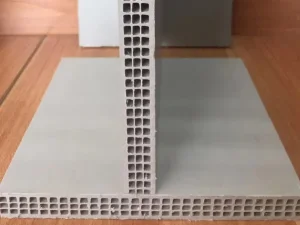
Through three-layer co-extrusion, the internal cellular foam core reduces dead load while maximizing section modulus. The high-density solid outer skin provides scratch resistance and continuous geometric tolerance under intense dynamic concrete casting loads.
3. Modular Locking Mechanism & Chamfer Precision
Designed with integrated tongue-and-groove edge profiles, quick-locking steel clamps, and built-in corner chamfers. The engineered locking seam prevents concrete slurry leakage, guaranteeing sharp, flawless column corners without honeydew or grout loss.
Technology Roadmap: Next-Gen Polymer Formwork Evolution
Nano-Enhanced Surface & Self-Releasing Coatings
Integration of hydrophobic fluoropolymer nano-coatings directly into the co-extrusion layer. Eliminates oil-based chemical release agents on site, accelerating striking speeds and complying with strict environmental VOC standards.
Smart Sensor-Embedded Formwork Shells
Deployment of flexible printed IoT sensors embedded within the PVC wall structure. Real-time telemetry monitoring of internal hydrostatic pressure, cement hydration temperature gradient, and concrete maturity directly to BIM cloud dashboards.
Circular Closed-Loop Polymer Recycling Infrastructure
Implementation of automated manufacturer buy-back networks. Spent and damaged PVC column forms are 100% micronized and re-extruded into structural core layers, achieving zero-landfill construction sites globally.
Macro-Industry Solutions & Field Execution Protocols
High-Rise Residential & Commercial Cores
In skyscraper construction, rapid cycle times are paramount. PVC column formwork systems allow striking within 18 to 24 hours under standard curing environments. The lightweight panels enable crane-free floor-to-floor climbing, shortening floor structural completion cycles from 7 days down to 4 days.
Civil Infrastructure, Bridges & Viaducts
Circular pier columns for highway flyovers and railway bridges require uninterrupted structural integrity. Flexible plastic circular column forms produce seamless, water-impermeable concrete surfaces resistant to carbonation, freeze-thaw cycles, and de-icing salt corrosion.
Marine, Coastal & Water Treatment Works
Traditional timber formwork rots rapidly in humid, marine microclimates, while steel shuttering oxidizes instantly. PVC formwork is completely immune to salt spray, sea water, acidic soils, and micro-organism degradation, offering the ultimate solution for port facilities and water treatment plants.
Localized Application Scenarios & Climate Adaptation
Middle East & High-Heat Arid Regions
Engineered with specialized heat stabilizers and UV shielding compounds, our PVC formworks maintain mechanical stability in ambient temperatures up to 50°C (122°F), preventing thermal distortion during concrete placement in desert climate zones.
Southeast Asia & High-Humidity Tropics
In tropical monsoon climates where timber plywood rapidly rots, absorbs water, and swells, zero-absorption PVC panels deliver completely uniform column cross-sections regardless of heavy rainfall and high humidity.
Europe & North America Standard Compliance
Fully compliant with European Eurocode 2 structural formwork standards and US ACI 347 requirements. Tested for low flame spread index and absolute toxic heavy metal non-leaching (RoHS & REACH certified).
How to Evaluate PVC Column Formwork Suppliers
Essential criteria for enterprise buyers, project managers, and structural engineers when auditing OEM manufacturers and global exporters.
Density & Mass Uniformity
Verify board mass density. High-grade structural PVC formwork should possess a density range of 0.65 to 0.75 g/cm³. Low-grade recycled forms drop below 0.50 g/cm³, leading to catastrophic structural wall blowout during vibration.
Shore Hardness Testing
Industrial-grade polymer shuttering panels must achieve a Shore D Hardness ≥ 70. This ensures scratch resistance against rebar abrasion and high resistance to impact damage during stripping and transport.
Flexural Modulus
Ensure tested flexural elasticity modulus is above 2200 MPa (per ASTM D790 standards) to restrict structural lateral deflection under high liquid concrete head pressures.
Manufacturer Factory Certification
Validate ISO 9001 Quality Management System, ISO 14001 Environmental Management, and third-party lab test reports (SGS/TÜV) confirming tensile strength, thermal expansion coefficients, and toxicity safety.
Industrial Plastic Formwork & Resilient Flooring Systems
Frequently Asked Questions on PVC Column Formwork
In-depth answers curated by senior structural formwork engineers to assist buyers, site supervisors, and procurement officers.