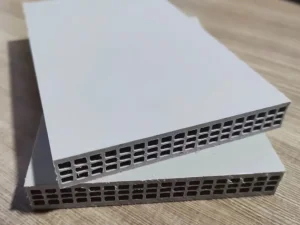
Export-Grade Exterior & Architectural Panel Systems
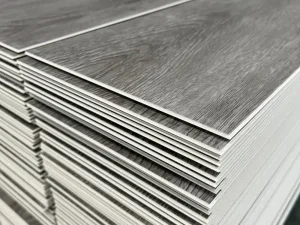
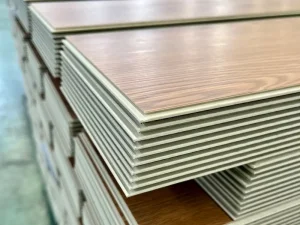
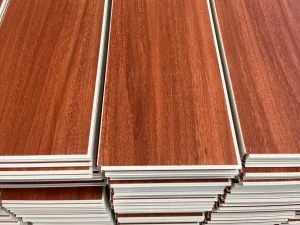
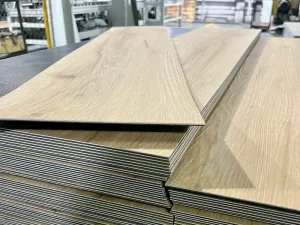
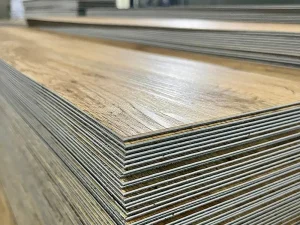
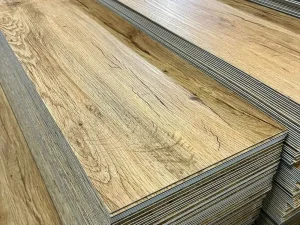
Direct factory supply featuring high-performance PVC wall cladding, SPC flooring, LVT systems, and heavy-duty PP formwork panels engineered for global construction specs.
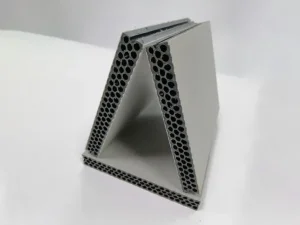
Global Exterior PVC Wall Panel Market & Industrial Dynamics
A detailed examination of market valuation, regulatory tailwinds, structural demand drivers, and the strategic shift toward high-durability polymer cladding systems.
The global market for exterior PVC wall panels (polyvinyl chloride siding and rainscreen systems) is undergoing a profound structural evolution. Valued at approximately USD 6.8 Billion in 2023, the market is projected to expand at a Compound Annual Growth Rate (CAGR) of 6.2% through 2032. This sustained expansion is predominantly driven by increasing commercial construction, residential retrofitting, and a universal industry pivot away from energy-intensive, high-maintenance traditional cladding materials such as cementitious fiber, solid wood timber, and natural masonry.
Historically, timber and fiber-cement held dominant market shares across North America and Western Europe. However, operational bottlenecks—including moisture absorption, freeze-thaw spalling, high maintenance overheads, and rising labor costs for skilled installation—have altered the procurement paradigm. Modern co-extruded PVC exterior wall panels, fortified with micro-foamed cellular cores and weatherable acrylic cap-stocks (such as ASA or PMMA), solve these challenges by offering zero moisture absorption, superior flexural resilience, and factory-controlled color stability exceeding 20-year performance cycles.
Technical Roadmap: Polymer Formulation & Co-Extrusion Engineering
Inside the material science of premium exterior PVC cladding: Layered co-extrusion, UV stabilization matrices, and structural cellular physical properties.
Dual-Layer Co-Extrusion Matrix
High-end PVC exterior panels utilize multi-layer co-extrusion tech. The core consists of a structural Cellular PVC (foamed PVC) or rigid PVC compound providing mechanical impact strength and thermal insulation, fused seamlessly to an exterior ASA/PMMA protective shell.
HALS & TiO2 UV Shielding
To resist severe solar radiation without yellowing or chalking, exterior grade formulations integrate Hindered Amine Light Stabilizers (HALS) alongside micro-fine Rutile Titanium Dioxide (TiO2 at >8% loading), reflecting UV photons before polymer degradation occurs.
Thermal Expansion Compensation
Engineered PVC exterior profiles incorporate specialized hidden-fastener slot channels and calibrated linear expansion indices (~0.06 mm/m·°C) to absorb dramatic ambient temperature swings (-30°C to +70°C) without surface buckling.
Standard Engineering Performance Matrix: Premium Exterior PVC Panels
The following performance metrics outline the technical thresholds expected by international tier-1 importers, engineering consultants, and global testing bodies (SGS, Intertek, TÜV):
| Physical / Mechanical Property | Testing Standard | Standard Engineering Target Value | B2B Practical Impact |
|---|---|---|---|
| Density (Cellular / Solid) | ISO 1183 / ASTM D792 | 0.55 – 0.75 g/cm³ (Cellular) / 1.35–1.45 g/cm³ (Solid) | Optimizes structural dead load while maintaining high rigidity. |
| Flexural Modulus | ASTM D790 / ISO 178 | ≥ 1,800 MPa | Resists wind load deflection on high-rise rainscreen installations. |
| Flame Spread Index (FSI) | ASTM E84 / EN 13501-1 | Class A (≤ 25) / B-s1, d0 | Complies with global commercial and high-density residential fire codes. |
| Accelerated Weathering (QUV) | ASTM G154 (5,000 Hours) | ΔE ≤ 2.0 (No cracking, peeling, or severe fading) | Guarantees 15–25 year aesthetic color integrity in high-UV zones. |
| Water Absorption Rate | ASTM D570 | < 0.1% (Immersion 24 Hours) | Prevents internal rot, mold growth, freeze-thaw spalling. |
| Impact Resistance (Charpy) | ISO 179 / ASTM D256 | ≥ 15 kJ/m² | High resilience against hail impact and jobsite mechanical stress. |
Localized Geographic Application Scenarios
Customizing PVC wall panel specifications for distinct climatic regions and local architectural building codes worldwide.
1. North America (USA & Canada)
Primary Application: Residential Siding Replacement & Multi-Family Housing.
Climatic Demand: Severe freeze-thaw cycles (-30°C winter to +35°C summer).
Technical Solution: Cellular PVC profiles with heavy-duty nail slots and high Charpy impact modifiers. Formulations must meet VSI (Vinyl Siding Institute) standards and ASTM D3679 to avoid brittleness in extreme sub-zero conditions.
2. Middle East & GCC Region
Primary Application: Commercial Façades, Villa Enclosures & Retail Outlets.
Climatic Demand: Intense solar radiation, surface temperatures reaching +75°C, high dust/sand abrasion.
Technical Solution: Co-extruded ASA (Acrylonitrile Styrene Acrylate) outer cap-stock with heat-reflective inorganic pigments, preventing heat deformation (Vicat softening point >82°C) and maintaining color under solar UV-A and UV-B exposure.
3. Northern & Western Europe
Primary Application: Ventilated Rainscreen Cladding & Passive House Retrofits.
Climatic Demand: High precipitation, damp conditions, strict energy efficiency targets.
Technical Solution: Rainscreen panel geometry engineered to mount onto aluminum/timber sub-frames, facilitating continuous airflow behind the panel. Compliance with EN 13501-1 B-s1,d0 fire safety and REACH chemical regulations is imperative.
4. Southeast Asia & Tropical Belts
Primary Application: Coastal Resorts, Modular Housing & Industrial Facilities.
Climatic Demand: High humidity (>90% RH), monsoon rainstorms, high salt-mist atmosphere.
Technical Solution: 100% synthetic PVC formulation eliminating all organic wood fillers. Guaranteed immunity to termite attack, fungal growth, and salt spray corrosion, far outperforming wood-plastic composites (WPC) in warm, damp climates.
Synergistic Solutions: Cladding, Flooring & Formwork Integration
How tier-1 exporters streamline global construction supply chains by combining exterior PVC panels, interior resilient flooring (SPC/LVT), and advanced PP hollow formwork.
Modern B2B importers, property developers, and international contractors increasingly seek one-stop procurement efficiency. Sourcing individual architectural components from fragmented suppliers introduces logistics delays, inconsistent quality control, and bloated shipping costs. Leading manufacturing groups resolve this by integrating exterior PVC wall panels with complementary interior finishing and structural construction materials.
Exterior PVC Cladding Systems
Providing the primary protective thermal envelope and exterior aesthetic finish. Highly durable, UV-resistant, and low-maintenance cladding designed for fast mechanical mounting over external insulation.
Interior SPC & LVT Flooring
Matching exterior durability with interior waterproof performance. High-density Stone Plastic Composite (SPC) and Luxury Vinyl Tile (LVT) flooring provide heavy traffic wear resistance, dimensional stability, and realistic natural decors.
Structural PP Hollow Formwork
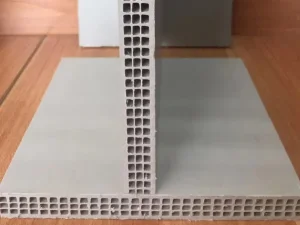
Accelerating structural concrete pouring before cladding installation. Reusable Polypropylene (PP) hollow formwork panels replace traditional plywood, delivering 60+ reuses, zero moisture absorption, and smooth concrete surface finishes.
Frequently Asked Questions by Global B2B Buyers
Expert answers regarding technical specifications, extrusion processes, international compliance, and bulk procurement logistics.
What distinguishes exterior-grade PVC panels from interior PVC wall panels?
Exterior-grade PVC panels are formulated with high concentrations of UV light stabilizers (HALS), Rutile Titanium Dioxide (TiO2), and weatherable acrylic cap-stocks (such as ASA). They feature thicker wall profiles, higher density cores, and engineered expansion joint mechanisms. Interior PVC panels lack these outdoor weathering matrices and will chalk, fade, and warp if exposed to exterior solar radiation.
How do PVC exterior wall panels perform under intense sun and high ambient temperatures?
Premium exterior PVC wall panels utilize co-extruded ASA outer layers engineered to withstand surface temperatures exceeding +75°C without losing dimensional stability. Heat-reflective pigments are incorporated into dark colors to minimize solar heat absorption (TSR values >30%), preventing thermal distortion and sagging.
What fire safety ratings do your exterior PVC wall panel systems possess?
Our technical PVC cladding formulations achieve ASTM E84 Class A flame spread indices and EN 13501-1 Class B-s1, d0 ratings. PVC is inherently self-extinguishing once the direct flame source is removed, producing zero flaming droplets (d0) and minimal smoke density (s1).
What is the expected lifespan and warranty coverage for export-grade PVC cladding?
Under standard atmospheric exposure, professional co-extruded PVC cladding systems exhibit a structural service life exceeding 25 to 30 years. Factory warranties typically cover 15 to 20 years against cracking, peeling, structural delamination, and excessive color fading (ΔE > 3.0).
How do you manage thermal expansion and contraction during jobsite installation?
Panels are manufactured with elongated mounting slots rather than round pin-holes. Installation protocols mandate placing fasteners in the center of the slot without over-tightening, allowing the panel to slide freely along its horizontal axis during temperature fluctuations (~1.6 mm per meter for a 30°C delta).
Are custom profiles, lengths, and OEM colors supported for large project orders?
Yes. As a direct manufacturer, we offer custom extrusion die creation, tailored panel lengths up to 5.8 meters (optimized for 20ft/40ft HQ container loading), and custom color matching according to RAL or Pantone standards, subject to minimum order quantity (MOQ) thresholds.
How do PVC exterior wall panels compare to Wood-Plastic Composite (WPC) cladding?
Unlike WPC, which contains 50-60% wood flour susceptible to moisture absorption, swelling, fungal decay, and organic fading over time, 100% synthetic cellular PVC panels do not absorb moisture (0.00% absorption), will not support mold growth, and offer higher impact strength at lower weight per square meter.
What quality control protocols are applied prior to container loading?
Every production batch undergoes strict quality assurance: Density testing, linear heat shrinkage evaluation (ISO 15015 at 82°C for 1 hour), drop-hammer impact testing at 0°C, spectrophotometer color deviation checking (ΔE < 0.5), and automated dimensional tolerance inspection.
What is the standard production lead time and loading capacity per 40ft HQ container?
Standard lead times range between 10 to 15 days from deposit confirmation across our 8 high-speed extrusion lines. A typical 40ft High Cube container accommodates approximately 4,500 to 6,000 square meters of exterior wall cladding depending on profile thickness and packaging specifications.
Can mixed containers combining PVC cladding, SPC flooring, and PP formwork be arranged?
Yes. We specialize in mixed-product container consolidation for global distributors and project contractors, allowing buyers to combine exterior wall cladding, SPC/LVT vinyl flooring, and PP hollow concrete formwork in a single logistics shipment to optimize inventory turnover.
Explore Export Product Lines
Select from our complete range of certified building and finishing products. Click below to inquire directly with our engineering sales desk.