
High-Performance Shuttering & Surface Solutions
Direct factory-engineered PP hollow plastic formwork panels and advanced vinyl flooring systems specified across 40+ countries.
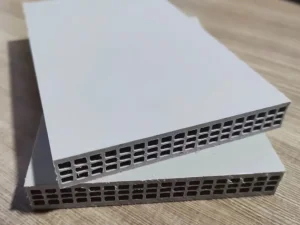
Wholesale PP Plastic Slab Concrete Hollow Formwork 18mm Exporters, Service
View Product Details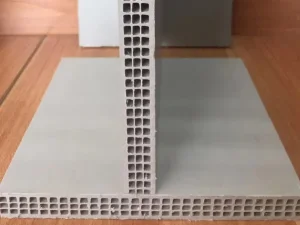
China PP Hollow plastic formwork panel 18mm for concrete Suppliers, Exporters
View Product Details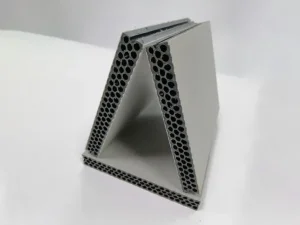
Wholesale Reusable plastic concrete shuttering formwork for construction building Supplier, Exporters
View Product Details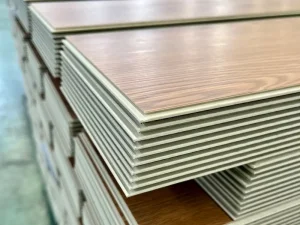
High-Quality Waterproof SPC flooring 4mm with marble and wood color Exporters, Service
View Product Details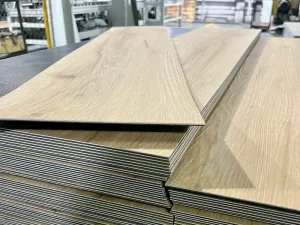
High-Quality LVT SPC Luxury Vinyl Tile Flooring for indoor using Exporter, Service
View Product Details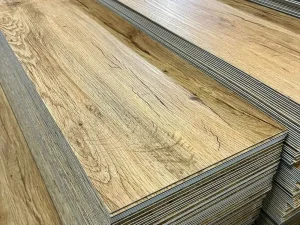
High-Quality Waterproof Plastic Vinyl LVT Glue Down Flooring Suppliers, Exporters
View Product Details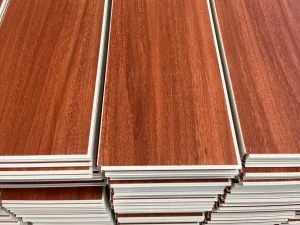
High-Quality Waterproof SPC Vinyl plastic flooring for indoor using Supplier, Exporter
View Product Details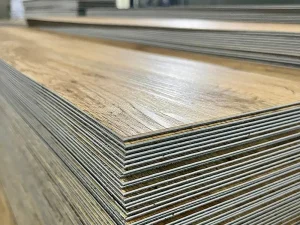
High-Quality Self-Adhesive Vinyl Tiles PVC LVT Plank Flooring Suppliers, Exporter
View Product DetailsThe Paradigm Shift in Concrete Shuttering Systems
Analyzing the global transition from single-use timber plywood to engineered polypropylene plastic formwork in modern civil engineering and commercial construction.
The global construction ecosystem is undergoing a fundamental transformation driven by three converging pressures: aggressive decarbonization targets under ESG frameworks, escalating job-site labor costs, and raw material volatility in timber supply chains. Historically, phenolic-faced marine plywood dominated the concrete shuttering market. However, timber formwork suffers from progressive degradation: moisture absorption leads to swell, delamination, thickness variations, and rapid loss of flexural strength after 3 to 5 reuses. This structural decline results in rough concrete finishes, frequent panel replacements, high disposal fees, and significant deforestation footprints.
To overcome these systemic limitations, Tier-1 contractors, structural engineers, and global procurement directors are pivoting toward high-performance Polypropylene (PP) Hollow Plastic Formwork Panels. Engineered through advanced polymer co-extrusion technology, plastic shuttering panels represent a non-hygroscopic, ultra-durable, and 100% recyclable alternative that redefines total cost of ownership (TCO) in concrete forming.
Regional Market Dynamics & Enterprise Procurement Intent
Deconstructing how major geographical markets utilize shuttering plastic panels to overcome localized environmental and operational hurdles.
Middle East & GCC Mega-Projects
In high-ambient-heat regions like Saudi Arabia (NEOM, Red Sea Project) and the UAE, traditional timber shuttering cracks and warps under extreme thermal stress and UV radiation. Polymer PP shuttering panels, formulated with hindered amine light stabilizers (HALS), retain structural stiffness under temperatures exceeding 50°C, providing long-lasting stability for massive infrastructure and high-rise shear walls.
Southeast Asia Monsoonal Environments
Tropical climates in Vietnam, Indonesia, and the Philippines present extreme humidity and heavy rainfall. Plywood shuttering degrades rapidly in high moisture, rotting and delaminating within 2 to 3 pours. Hydrophobic PP hollow panels remain completely impervious to water exposure, eliminating moisture swell and preventing delays in structural casting schedules.
European Union Circular Regulations
Under the EU Taxonomy for Sustainable Activities and stringent waste management directives, construction firms face heavy financial penalties for generating single-use timber waste. PP plastic shuttering panels offer a circular closed-loop model: used or damaged panels are re-granulated into raw polymer pellets to manufacture new construction components.
China Industry 4.0: Supply Chain Resilience & Greenstar Advantage
How automated extrusion technology, rigorous quality testing, and strategic port proximity deliver unprecedented reliability for global importers.
Located in Shuyang, Jiangsu Province, Greenstar New Materials Shuyang Co., Ltd. operates at the forefront of polymer construction material manufacturing. Operating an expansive production footprint featuring 8 continuous co-extrusion lines and a 3,000㎡ dedicated R&D testing laboratory, Greenstar integrates raw polymer compounding, structural hollow-core design, thermal stabilization testing, and precision cutting under a certified ISO 9001 / ISO 14001 operational framework.
Advanced Polymer Co-Extrusion Tech
Unlike standard recycled plastic boards that suffer from internal voids and brittle points, Greenstar’s PP hollow plastic formwork panels utilize a proprietary multi-layer co-extrusion process. The internal matrix features engineered vertical structural ribs that evenly distribute hydraulic concrete pressure across the panel surface. The top and bottom skin layers are fortified with high-density polyolefins, glass fiber reinforcements, UV blockers, and flame-retardant additives. This ensures high impact resistance, smooth surface release, and zero deflection during vibratory concrete compaction.
Automated Quality Control (QC)
Every production batch undergoes automated optical sorting to verify uniform wall thickness, rib alignment, and surface flatness. Ultrasonic thickness gauges ensure structural tolerances within ±0.2mm, guaranteeing seamless joint alignment on site.
8 Dedicated High-Capacity Lines
With 8 parallel extrusion lines operating 24/7, Greenstar maintains a monthly output capacity exceeding 150 standard 40ft HQ containers. Standard 18mm PP formwork orders ship within 7 to 15 days of order confirmation.
Strategic East China Logistics Hub
Proximity to major deep-water seaports—including Shanghai Port, Lianyungang Port, and Qingdao Port—reduces inland freight times and container staging costs, ensuring prompt dispatch for urgent project timelines.
Comparative Performance Analysis: Material Benchmarking
Comprehensive physical and economic evaluation of PP Hollow Shuttering Panels against traditional formwork substrates.
| Performance Criterion | Greenstar PP Hollow Plastic Formwork | Phenolic Marine Plywood | Aluminum Formwork Systems | Solid PVC Plastic Boards |
|---|---|---|---|---|
| Average Reuse Lifetime | 60 – 100+ Times | 3 – 8 Times | 150 – 300 Times | 20 – 35 Times |
| Water Absorption Rate (ASTM D570) | 0.00% (Impervious) | 12% – 25% (High Swell) | 0.00% (Impervious) | 0.01% (Impervious) |
| Weight Density (18mm panel) | 8.0 – 8.5 kg/m² (Lightweight) | 11.5 – 13.0 kg/m² | 22.0 – 25.0 kg/m² (Heavy) | 13.5 – 15.0 kg/m² |
| Chemical Release Agent Need | None Required (Non-stick surface) | Mandatory every pour | Mandatory every pour | Optional / Minimal |
| Nailing, Drilling & Sawing | Standard Carpentry Tools (No Splitting) | Easy (Splits over time) | Requires Special Machining | Can Crack under cold temps |
| Thermal Expansion Resistance | High (Stabilized -20°C to +90°C) | Poor (Warping under humidity) | High Thermal Conductivity | Prone to thermal sagging |
| Scrap Value / Circular Recycling | High (100% Recyclable Pellets) | Zero (Burned/Landfill fees) | Very High Scrap Metal Value | Low / Difficult to re-process |
| Cost Per Pour Efficiency | Lowest ($0.08 - $0.15 / pour / m²) | High ($0.85 - $1.50 / pour / m²) | High Upfront Capital Investment | Medium ($0.45 - $0.70 / m²) |
Localized Engineering Application Scenarios
Targeted job-site execution strategies where plastic shuttering panels deliver optimal structural performance.
1. High-Rise Shear Walls & Elevator Cores
In vertical residential and commercial towers, swift shuttering turnarounds are crucial for keeping floor-cycle times under 4 days. Greenstar PP shuttering panels feature high flexural stiffness that withstands concrete lateral pressure up to 60 kN/m² without bowing. The lightweight hollow structure allows manual positioning without heavy tower crane dependency, dramatically speeding up wall formwork assembly.
2. Basements, Retaining Walls & Sub-Grade Structures
Subterranean concrete casting involves high soil moisture, standing groundwater, and damp atmospheric conditions. Traditional plywood rapidly absorbs ambient moisture in basements, leading to structural swelling and edge rot. PP plastic panels remain dimensionally stable in wet conditions, creating dense, non-porous basement walls that resist water infiltration.
3. Bridge Decks, Culverts & Infrastructure Projects
Civil infrastructure construction requires repetitive casting of complex geometric components, including box bridges, drainage channels, and retaining piers. PP hollow plastic panels can be easily curved, sawn, and custom-cut to exact radii. Their smooth polymer surface delivers seamless concrete faces that meet strict municipal finish standards without requiring costly hand plastering.
4. Slab Formwork & Early-Stripping Systems
For horizontal slab pours, 18mm PP hollow plastic formwork panels provide ideal load-bearing capabilities when supported by standard wooden or steel timber joists. When integrated with drop-head early stripping shore systems, contractors can safely demold horizontal slab panels within 3 to 4 days while keeping reshores in place, multiplying equipment reuse cycles across multi-story developments.
5. Off-Shutter Architectural Concrete
Architectural projects demanding exposed, fair-faced concrete require a flawless, mirror-like finish free of timber grain impressions, knot marks, or surface discoloration. Greenstar’s non-porous plastic surface prevents surface hydration staining, leaving smooth off-shutter concrete that reduces surface painting and plastering requirements.
6. High-Humidity Resilient Interior Surfaces (LVT / SPC Integration)
Beyond structural shuttering, integrated project sites require resilient interior surface solutions. Greenstar’s companion product lines—such as 4mm rigid core SPC flooring and waterproof LVT tiles—provide direct material synergy for commercial developments, equipping developers with single-source supply chain control from foundation formwork to interior floor finishes.
On-Site Installation Engineering Protocols
Standard operating procedures for cutting, fastening, supporting, and demolding PP plastic shuttering panels to maximize panel lifespan.
1. Cutting, Drilling, and Fastening Best Practices
Polypropylene hollow panels can be machined using standard carpentry tools, including circular saws, hand saws, and power drills. For clean cut edges, use a alloy saw blade with high tooth density (at least 80 to 100 teeth) operating at speeds above 3,000 RPM. When securing panels to wooden timber joists, use standard smooth-shank or ring-shank nails driven flush with the panel surface. Driven nails grip firmly in the PP solid surface skin without cracking the internal hollow ribs.
2. Support Joist Spacing Recommendations
To prevent deflection under dynamic hydraulic concrete pressure, joist spacing must be calibrated based on slab thickness and ambient temperature conditions:
- Floor Slab Formwork (15mm / 18mm Panel Thickness): For slab thicknesses up to 200mm, maintain center-to-center timber/metal joist spacing between 250mm and 300mm. For slab thicknesses exceeding 300mm, reduce joist spacing to 200mm.
- Vertical Wall & Column Formwork: Set horizontal wall timber/steel walers at 200mm to 250mm intervals. Ensure panel joints land directly on a support beam to prevent seam offset under pour pressure.
3. Demolding, Cleaning, and Stacking Storage
Due to the low surface energy of polypropylene, concrete does not adhere to the panel surface. Demolding requires minimal leverage—simply release waler clamps or tie-rod nuts, and the panels strip away cleanly from the cured concrete. Wash panel faces with a low-pressure water jet to remove loose dust before re-use. Store panels horizontally on flat pallets elevated off wet ground, keeping them away from direct heat sources when stored long-term in arid zones.
Frequently Asked Questions (FAQ) for B2B Importers
In-depth responses covering quality evaluation, technical specifications, customs clearance, and long-term ROI calculations.
How does PP hollow plastic formwork achieve 60+ reuses compared to timber plywood?
Traditional plywood relies on glues and wood veneers that absorb water from wet concrete. As moisture penetrates the veneer layers, timber fibers expand, warp, and split after 3 to 8 pours. Greenstar PP hollow plastic formwork is extruded from pure polypropylene modified with impact modifiers and structural fibers. It features a zero-water-absorption rate (0.00%), meaning alkali water in cement paste cannot penetrate or degrade the internal matrix. Provided contractors follow standard handling and support guidelines, a single sheet easily achieves 60 to 100+ repeat uses on typical multi-story construction projects.
Do PP plastic shuttering panels require release oil before concrete pouring?
No, chemical demolding release agents are not required for PP plastic formwork panels. Polypropylene possesses a naturally slick, non-porous surface with low surface energy, preventing cement paste from bonding to the board. Omitting release oil eliminates chemical purchasing costs, reduces site labor requirements, prevents ground contamination, and leaves a clean concrete surface ready for direct painting, tiling, or waterproofing application.
How do PP hollow plastic shuttering panels handle extreme summer or winter temperatures?
Cheap recycled plastic boards often become brittle and crack in winter freezing conditions (-10°C) or warp into waves under direct summer heat (+40°C). Greenstar’s engineering team incorporates specialized thermal stabilizers and elastic impact modifiers into our PP formulation. This extends the panel's operational range from -20°C to +90°C. To manage thermal expansion on expansive continuous wall runs, contractors simply leave a small 1-2mm thermal expansion gap between adjacent panels, sealed with foam tape or joint strips.
Can plastic shuttering panels be cut, nailed, and worked like traditional timber formwork?
Yes. PP hollow formwork is fully compatible with standard woodworking tools. Carpenters can saw, drill, nail, and route panels using their existing job-site tools. Nails hold securely in the high-density polyolefin skin layers, and nail holes do not expand over time because the material is non-hygroscopic. When nails are removed, the tough polymer matrix self-seals slightly around small punctures, maintaining panel integrity for subsequent pours.
What simple job-site or laboratory tests verify PP formwork panel quality?
Buyers can perform three quick tests to verify panel quality: 1) Weight-to-Thickness Ratio: A standard 18mm panel (1220x2440mm) should weigh between 14.5kg and 15.5kg. Lighter boards cut corners on wall thickness, while overly heavy panels use cheap calcium carbonate filler that causes thermal brittleness. 2) Flexural Impact Test: Strike the panel corner forcefully with a 5kg hammer; high-grade PP formwork will dent slightly without cracking or shattering. 3) Boiling Water Test: Submerge a sample piece in boiling water (100°C) for 4 hours; low-quality panels will delaminate or swell, whereas quality PP panels retain their exact thickness and structural stiffness.
What is the financial Return on Investment (ROI) of switching from plywood to PP formwork?
Although initial unit purchasing cost for an 18mm PP plastic panel is roughly 1.5x to 1.8x higher than premium film-faced plywood, its 60+ reuse capacity dramatically reduces per-pour costs. On a 30-story commercial tower requiring multiple concrete cycles, marine plywood must be replaced 4 to 6 times, accumulating high repurchasing, freight, labor handling, and disposal costs. By using PP plastic panels across the entire tower cycle, overall shuttering material costs drop by up to 60%, with added savings in release oil and plastering labor.
What container loading capacity and dispatch lead times can importers expect?
For standard 18mm panels (1220x2440mm), a 40ft High Cube (HQ) shipping container accommodates approximately 560 to 600 sheets depending on pallet packing configuration. For 15mm panels, capacity increases to roughly 700 sheets per 40HQ. Thanks to Greenstar's 8 automated extrusion lines, standard color orders (Blue or Gray) dispatch from our Shuyang factory within 7 to 15 days following deposit confirmation.
Can damaged PP plastic formwork panels be recycled or sold for scrap?
Yes. Unlike phenolic plywood—which cannot be recycled and requires costly landfill fees—polypropylene is a 100% recyclable thermoplastic material. After completing their structural lifecycle on construction sites, worn or broken panels can be resold to local plastic recyclers or returned for credit under recycling programs, recovering up to 15-25% of initial material capital.
Explore Greenstar Construction & Surface Products
Direct factory order options for international distributors, main contractors, and material importers.
Wholesale Reusable plastic concrete shuttering formwork for construction building Supplier, Exporters
View Product Details
Wholesale PP Plastic Slab Concrete Hollow Formwork 18mm Exporters, Service
View Product Details
China PP Hollow plastic formwork panel 18mm for concrete Suppliers, Exporters
View Product Details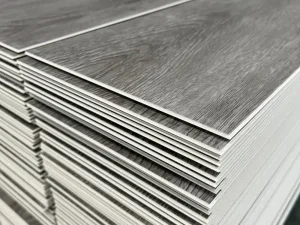
China SPC rigid vinyl plank with wood grain design for indoor flooring Supplier, Exporters
View Product Details
High-Quality Waterproof SPC flooring 4mm with marble and wood color Exporters, Service
View Product Details
High-Quality LVT SPC Luxury Vinyl Tile Flooring for indoor using Exporter, Service
View Product Details
High-Quality Waterproof Plastic Vinyl LVT Glue Down Flooring Suppliers, Exporters
View Product Details