
Enterprise Commercial Flooring & Material Solutions
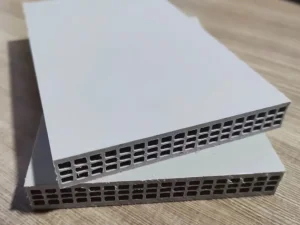
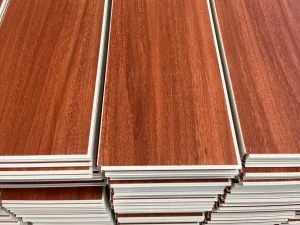
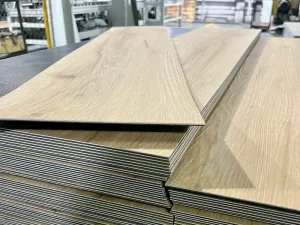
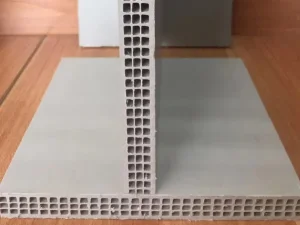
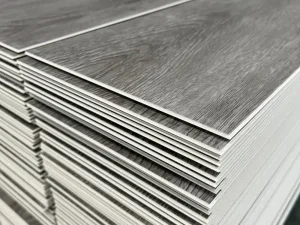
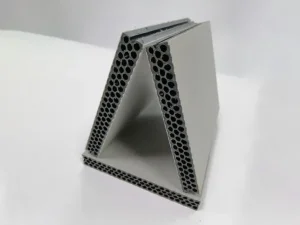
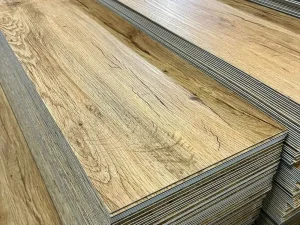
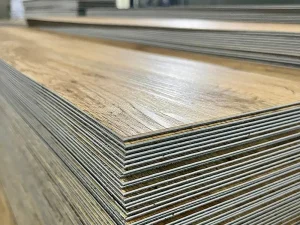
Explore our export-ready collection of High-Quality Tile Effect LVT, waterproof SPC rigid core planks, and high-reuse PP hollow plastic concrete formwork panels directly manufactured for international procurement.
1. Executive Summary & Market Intelligence: The Shift to Tile Effect LVT
Analyzing procurement intent, acoustic dampening, life-cycle costs (LCC), and structural polymer advantages of modern luxury vinyl tiles over traditional ceramic and natural stone substrates.
The global commercial architectural sector is undergoing a rapid material substitution phase. Historically, high-footfall spaces such as corporate headquarters, healthcare facilities, multi-family build-to-rent (BTR) developments, and luxury hospitality lounges relied almost exclusively on quarry ceramic, porcelain, or natural slate tiles. However, heavy stone substrates impose substantial engineering limitations: structural dead load weight, prolonged subfloor curing times, zero acoustic compliance without sub-matting, and high labour costs associated with wet-grouting operations.
Tile Effect Luxury Vinyl Tile (LVT) has emerged as the definitive high-performance architectural alternative. Combining state-of-the-art photolithographic decor layers with high-density poly-vinyl cores, modern tile effect LVT emulates the tactile texture of micro-cement, travertine, marble, slate, and terrazzo while reducing installed weight by up to 75% and speeding up turnaround cycles dramatically.
Information Gain Insight: Procurement intelligence shows that switching from porcelain to 0.55mm wear-layer Tile Effect LVT cuts subfloor preparation and installation labor costs by 40-50%, while elevating Impact Insulation Class (IIC) acoustic ratings from IIC 32 (bare ceramic) to IIC 58-64 when integrated with standard acoustic underlayments.
2. Cross-Sectional Layer Matrix & Technical Specifications
Understanding the multi-layer polymer composite structure engineered for maximum dimensional stability, flame retardancy, and heavy commercial wear compliance.
UV Ceramic Bead Coating
Cross-linked polyurethane matrix embedded with sub-micron ceramic particles (Al₂O₃), providing scratch resistance, UV fade immunity, and anti-bacterial surface protection (ISO 22196 standard compliance).
EIR Wear Layer & Film
Embossed-in-Register (EIR) technology aligns 3D surface micro-textures perfectly with underlying photolithographic decor prints, replicating slate grain, limestone pitting, and ceramic matte finishes accurately.
High-Density Core
Formulated with virgin PVC polymer resins and non-phthalate plasticizers or rigid Stone Plastic Composite (SPC) mineral cores (70% CaCO₃ content), achieving dimensional shrinkage below 0.10% (ISO 23999).
Technical Performance Parameter Matrix
| Performance Metric | International Standard | Tile Effect LVT Specification | Engineering Benefit |
|---|---|---|---|
| Dimensional Stability | ISO 23999 / EN 434 | ≤ 0.10% after exposure to 80°C heat | Prevents seam gapping, buckling, and joint stress under direct sunlight or radiant heating. |
| Wear Resistance Class | EN 660-2 / EN 649 | Group T (Highest Wear Resistance) | Ensures 15+ years of retention in high-traffic retail malls, airport corridors, and lobbies. |
| Fire Behavior Rating | EN 13501-1 / ASTM E648 | Bfl-s1 (Flame Retardant, Low Smoke) | Meets global commercial building codes for escape routes and public infrastructure. |
| Residual Indentation | ISO 24343-1 / ASTM F1914 | ≤ 0.05mm after static loading | Resists permanent dimpling from heavy rolling furniture, displays, and hospital beds. |
| Slip Resistance Rating | DIN 51130 / BS 7976-2 | R10 to R11 Grade / PTV > 36 Dry & Wet | Reduces slip-and-fall liabilities in damp areas like hotel bathrooms, kitchens, and entries. |
| Acoustic Isolation | ISO 10140-3 / ASTM E492 | ΔLw = 18dB - 22dB (with acoustic underlay) | Suppresses footfall sound transmission in multi-story residential towers and office buildings. |
3. Supply Chain Strength & Ecosystem Advantages in China
How specialized manufacturing hubs in Jiangsu, continuous raw material integration, and high-precision milling secure consistent quality and competitive cost structures.
As a key production hub, Greenstar New Materials Shuyang Co., Ltd. operates within China's advanced polymer building material supply chain. Located in Suqian City, Jiangsu Province, our production facilities utilize fully integrated upstream raw material supply chains—ranging from PVC resin synthesis and eco-friendly calcium carbonate (CaCO₃) processing to specialized photolithographic printing film extrusion.
Integrated Port Logistics
Our proximity to major deep-water shipping channels (Shanghai and Lianyungang ports) reduces inland freight lead times, allowing fast 7-to-15-day container dispatch for standard order specifications.
Economies of Scale
Operating 8 high-capacity extrusion lines and specialized calendering units keeps fixed costs minimal and guarantees strict batch-to-batch color matching (Delta E < 0.5 under spectrophotometer inspection).
Precision CNC Tooling
Equipped with original Homag and Unilin/Välinge patented click-milling machines, guaranteeing micro-grout joint alignment within ±0.03mm across all four edges of tile planks.
4. High-Traffic Commercial & Industrial Applications
From healthcare centers requiring seamless hygenic surfaces to multi-family developments seeking lower turnover expenses, see how tile effect LVT performs across global key sectors.
Multi-Family Housing & BTR
Build-to-Rent developers select click-lock tile effect LVT for rapid tenant turnarounds. Damaged planks can be individually unlocked and replaced in minutes without noisy tile tearing or subfloor damage.
Healthcare & Medical Lobbies
Tile effect LVT with sealed polyurethane coatings resists harsh medical disinfectants, iodine staining, and heavy rolling wheelchair loads while providing safer underfoot slip resistance than polished marble.
High-End Retail & Boutiques
Achieve an authentic industrial concrete, terrazzo, or honed basalt stone aesthetic while improving acoustic comfort for shoppers and reducing standing fatigue for retail store staff.
5. Localized Subfloor Preparation & Grout Integration Protocols
Essential field engineering guidelines to ensure long-term performance, prevent moisture-induced floor failure, and execute realistic visual joints.
Achieving a flawless ceramic or natural stone aesthetic with LVT requires strict adherence to international installation protocols. Unlike wood plank decors where long seams absorb minor subfloor irregularities, square and rectangular tile effect formats visually amplify base imperfections if subfloors are not properly leveled.
Subfloor Moisture & Surface Tolerance Standards
Before laying dry-back glue-down or rigid core click tile LVT, installers must test subfloor conditions per ASTM F710 (Concrete Subfloors) or BS 8203 (Resilient Flooring Installation):
- Relative Humidity (RH) Testing: In-situ concrete subfloor RH must not exceed 75% per ASTM F2170 unless a dedicated two-part epoxy moisture vapor barrier (MVB) is applied.
- Moisture Vapor Emission Rate (MVER): Maximum allowable limit is 3 lbs/1000 sq.ft./24 hours when using standard acrylic adhesive systems.
- Surface Flatness (FF): Subfloor variation must not exceed 3mm over a 3-meter straight edge (or 3/16" over 10 feet) to prevent click-joint stress or telegraphing under light.
Grout Line Engineering: Integrated Micro-Bevel vs. Acrylic Grout Systems
To replicate authentic stone tile installations, modern tile-effect LVT offers two main jointing profiles:
- Integrated Micro-Bevel Grout Lines: The vinyl plank edges are milled at a precise 45-degree angle and coated with a contrasting matte polyurethane paint during production. This creates a realistic joint visual without requiring manual grouting on site.
- Real Acrylic Grouting System: Dry-back LVT tiles feature specialized factory-beveled edges designed to accept flexible acrylic or resin-based tile grout during installation. This combines the stain resistance and soft step of vinyl with real cementitious grout joints.
6. Technology Roadmap & Circular Economy Initiatives
Next-generation R&D advances focusing on bio-based plasticizers, ultra-high-definition direct-to-core digital printing, and closed-loop material recycling.
Direct-to-Core Printing
Phase 2 production upgrades integrate high-resolution single-pass digital inkjet printing directly onto the composite core, eliminating printed PVC film layers to improve dimensional stability and reduce material usage.
Bio-Based Plasticizers
Transitioning from petroleum-derived plasticizers to soybean and castor-oil formulations, reducing product embodied carbon while maintaining high low-temperature impact flexibility.
Closed-Loop Recycling
Our factory facility reprocesses 100% of internal trim waste and off-cuts into lower acoustic backing layers, ensuring zero waste-to-landfill across our core production lines.
7. Global Compliance Certification & Export Support
Ensuring compliance with international indoor air quality, fire safety, and customs requirements for seamless import approval across Europe, North America, and APAC.
FloorScore® & Indoor Air Quality
All Greenstar LVT products undergo rigorous VOC emission testing in accredited laboratories. Certified compliant with California Specification 01350 and AgBB standards for safe indoor installation in schools and hospitals.
CE & EN Standard Verification
Full technical documentation and Declaration of Performance (DoP) available under EN 14041 for European distributors, detailing thermal resistance, static electrical propensity, and slip performance.
Logistics & Tariff Optimization
Providing clear export documentation under HS Code 3918.10 (Vinyl Floor Coverings) with certified Country of Origin (CO), Form E, or Form A documentation to optimize custom tariff structures for international buyers.
Complete Flooring & Concrete Formwork Portfolio
Review our catalog of High-Quality Tile Effect LVT, SPC click flooring, and PP hollow plastic concrete formwork systems engineered for global construction buyers.
Frequently Asked Questions: Procurement & Engineering
In-depth responses covering technical specs, acoustic ratings, subfloor requirements, and export logistics for commercial importers and project contractors.
What are the main technical differences between Dry-Back Glue-Down LVT and SPC Rigid Core Tile LVT?
Dry-Back LVT features a flexible PVC composition (typically 2.0mm to 3.0mm thickness) designed to be permanently adhered to a smooth, fully cured subfloor using pressure-sensitive acrylic adhesive. It offers superior footfall dampening and allows seamless tile replacement in high-traffic zones. SPC (Stone Plastic Composite) tile LVT incorporates a rigid core composed of ~70% limestone powder and PVC resin, resulting in higher dimensional stability and impact resistance. SPC features a floating click-lock system, making it suitable for quick installations over existing hard subfloors without adhesive.
How does Tile Effect LVT perform under high point-load and rolling weight conditions?
High-quality Tile Effect LVT tested under ISO 24343-1 demonstrates residual indentation of ≤ 0.05mm when subjected to static loads up to 250 psi. For heavy rolling loads (such as hospital beds, retail display carts, or forklifts), dry-back glue-down formats with a 0.55mm (20mil) or 0.70mm (28mil) wear layer paired with hard-set polyurethane adhesives are recommended to prevent floor movement or shear failure.
Can Tile Effect LVT be installed over existing ceramic tiles without telegraphing?
Yes, provided the installation protocol matches the product type. For Rigid Core SPC Tile Effect LVT, floating installation over existing ceramic tiles is permissible if existing grout joints are narrower than 4mm and shallower than 2mm. For wider grout lines or when installing dry-back glue-down LVT, the existing ceramic floor must be primed and skim-coated with a high-strength self-leveling cementitious compound (minimum 3mm thickness) to prevent grout joint telegraphing onto the surface.
What thermal resistance (R-value) does Tile Effect LVT offer for underfloor heating systems?
Tile Effect LVT exhibits exceptional low thermal resistance (typically R-value ≤ 0.015 m²K/W for 2.5mm dry-back LVT), making it significantly more efficient for radiant underfloor heating (hydronic or electrical systems) than wood or carpet. The subfloor heating system surface temperature must not exceed 27°C (80°F) per standard installation guidelines (DIN 18365).
How does Greenstar handle factory quality assurance and batch color consistency for large container orders?
Our quality assurance workflow employs spectrophotometric color measurement (Delta E < 0.5) to monitor printed decor film consistency across production runs. Every batch undergoes 24-hour thermal stability testing in climate chambers at 80°C to verify dimensional shrinkage and curling tolerances before click milling and packaging. Full inspection reports are provided with container shipping manifests.
What are the lead times, minimum order quantities (MOQ), and shipping terms for custom tile designs?
Standard export orders for stocked decor films have a production lead time of 7 to 15 days from deposit confirmation. Custom decor prints, proprietary embossed-in-register (EIR) textures, or private label packaging typically carry an MOQ of 1,500 to 3,000 square meters per decor. We support standard shipping terms including FOB (Lianyungang/Shanghai), CFR, and CIF to major destination ports worldwide.