Featured Industrial Products & Formwork Panels
Direct factory exports engineered for high-cycle reuse, superior concrete finish, and extreme structural endurance.
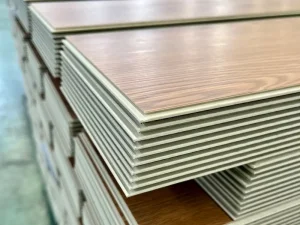
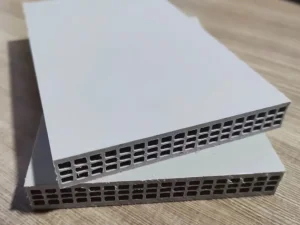
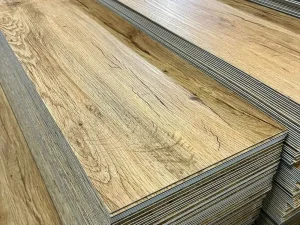
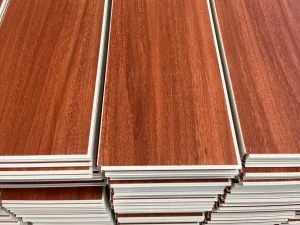

1. The Paradigm Shift in Global Civil Construction & Formwork Systems
A comparative structural analysis on why modern infrastructure projects are phasing out timber plywood and steel shuttering in favor of Polypropylene (PP) plastic shuttering plates.
The global construction industry is undergoing an unprecedented structural transition driven by strict environmental regulations, rising site labor costs, and a demand for accelerated structural project timelines. For decades, film-faced plywood, phenolic timber boards, and traditional steel formwork dictated structural concrete casting. However, traditional materials present inherent operational inefficiencies: timber plywood suffers from water absorption, swelling, surface delamination, and rapid structural degradation (typically breaking down after 3 to 5 uses), while steel shuttering imposes heavy transportation, hoisting logistics, and high susceptibility to corrosion.
Enter Polypropylene (PP) Hollow Plastic Shuttering Plates—an advanced engineering polymer solution designed specifically for slab, column, wall, and beam concrete forming. Operating under high flexural fatigue limits and exceptional chemical inertia, engineering plastic panels do not react with alkaline wet concrete, eliminating the need for chemical release oils and producing a smooth fair-faced concrete finish immediately after stripping.
| Performance Metric | PP Hollow Plastic Formwork | Film-Faced Birch Plywood | Heavy Steel Formwork |
|---|---|---|---|
| Average Reuse Lifecycle | 60 to 100+ Times | 3 to 8 Times | 150 to 300 Times |
| Water Absorption Rate | 0.00% (100% Impervious) | 12% - 25% (Swells/Delaminates) | 0.00% (RUST Risk) |
| Weight per Sq. Meter (18mm) | ~8.0 kg to 10.5 kg (Lightweight) | ~11.5 kg to 13.0 kg | >45.0 kg (Requires Cranes) |
| Demolding Agent Needed? | No (Self-releasing surface) | Yes (Mandatory oil application) | Yes (Mandatory oil application) |
| Recyclability at End of Life | 100% Circular Remelting | 0% (Landfill or Incineration) | 100% Scrap Metal Value |
Key Information Gain: Life Cycle Amortization & Sustainability
While the initial procurement cost per sheet of an 18mm PP hollow plastic shuttering plate is higher than low-grade plywood, the Cost-Per-Use Ratio drops by up to 72% over a 60-pour structural project. Furthermore, as global green building benchmarks (such as LEED v4.1 and BREEAM) penalize single-use timber waste, recycled PP shuttering plates provide measurable carbon offset credits for Tier-1 general contractors.
2. China Factory Manufacturing Dominance: Shuyang Industrial Advantage
Understanding how raw material integration, continuous co-extrusion technology, and regional industrial clustering drive quality and price efficiency.
As global importers look for verified manufacturing partners, China remains the epicenter of high-performance polymer processing. Located in Shuyang, Jiangsu Province, Greenstar New Materials Co., Ltd. operates at the junction of raw resin supply lines and world-class maritime shipping infrastructure. Integrating R&D, customized structural design, extrusion moulding, and strict quality control, Chinese manufacturing centers offer unparalleled production throughput.
Continuous Co-Extrusion Tech
Utilizing high-torque double-screw extruders, continuous melt blended PP raw resin with toughening nano-agents and UV stabilizers ensures uniform wall thickness and zero internal void defects.
In-House Formulations
Over 100 chemical formulation variations developed in 3,000㎡ R&D laboratories allow customization for regional weather extremes, from Middle Eastern summer heat (+50°C) to Nordic freeze cycles (-20°C).
Integrated Logistics Efficiency
Direct proximity to Qingdao and Shanghai deep-water ports allows streamlined container loading, reducing inland transportation fees and ensuring typical dispatch timelines within 7 to 15 days.
3. Microstructural Engineering of Hollow Plastic Formwork Panels
A deep dive into polypropylene co-polymer matrix design, rib structural geometry, and elastic modulus mechanics.
The superior mechanical performance of high-grade plastic shuttering plates lies in their structural internal geometry. Unlike solid PVC panels which are dense, prone to brittleness, and heavy to handle, high-impact PP hollow panels utilize an I-beam rib matrix designed to maximize flexural rigidity while minimizing dead weight.
Key Polymer Characteristics:
- High Impact Polypropylene Co-polymer (PPH): Formulated with rubber-modified elastomeric agents to resist drops from heights and localized hammer strikes during stripping.
- Thermal Coefficient Management: Blended with specialized anti-expansion fillers that constrain linear thermal expansion to less than 0.08%/10°C, maintaining board joints tight under direct solar exposure.
- Superior Nailing and Sawing Capability: Can be cut with standard carpentry circular saws, drilled, nailed, and routed identically to traditional timber, boasting a nail holding capacity exceeding 750N.
- Chemical Resistance: Completely unreactive to alkalis (pH > 12) present in wet cement paste, standard concrete admixtures, and acidic soil contact.
4. Global Application Scenarios & Civil Engineering Use Cases
How specialized plastic shuttering plates are deployed across residential, infrastructure, and architectural interiors worldwide.
High-Rise Residential Slabs
Utilized in rapid-cycle aluminum formwork drop-head system integrations. The 18mm PP board delivers mirrored slab finishes, eliminating wet plastering requirements prior to ceiling painting.
Bridge Abutments & Marine Piers
Ideal for salt-water and coastal environments where timber rots instantly and steel oxidizes. Plastic shuttering plates withstand total submersion and ambient humidity with zero dimensional swelling.
Precast Concrete Element Factories
Used as durable bottom bedding plates in precast factories. Smooth demolding guarantees sharp edges on tilt-up panels, culverts, and precast concrete beams over thousands of continuous cast cycles.
Synergistic Resilient Flooring
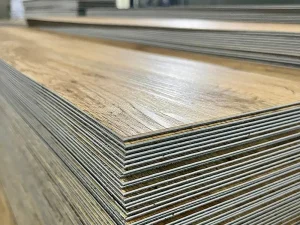
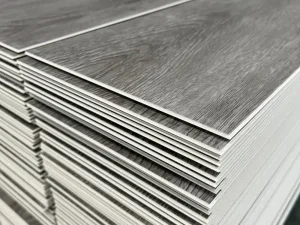
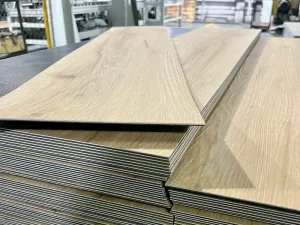
Beyond concrete formwork, integrated manufacturing capabilities provide resilient surface finishes such as SPC (Stone Plastic Composite) and LVT (Luxury Vinyl Tile) flooring for rapid interior fit-outs post-structure completion.
5. B2B Buying Criteria & Quality Inspection Framework
Essential quality verification protocols for procurement directors, import agents, and site managers when inspecting factory shipments.
Not all plastic formwork panels on the market are manufactured to structural standards. Inferior suppliers often overload formulations with cheap calcium carbonate powder (CaCO3) and low-grade post-consumer scrap plastic, resulting in panels that crack during winter or warp into wave patterns under summer solar heat. Use this factory verification checklist:
- Gram Weight & Core Density Verification: Ensure a standard 1220x2440x18mm panel weighs at least 13.5 kg to 14.5 kg depending on rib thickness. Lighter boards compromise rib density and fail under high concrete hydrostatic pressure.
- Flexural Modulus under Load: Demand ISO 178 testing certification proving a bending modulus > 2200 MPa to prevent wall bulging during high-slump concrete pours.
- Vicat Softening Temperature: Check that the Vicat softening point exceeds 120°C, ensuring structural stability when concrete hydration generates intense internal heat during mass pouring.
- Diagonal Squareness Tolerance: Precision CNC cutting must maintain diagonal variance under 1.0mm per sheet to prevent slurry leakage between panel joints on site.
6. Industry Trends & Future Outlook (2025–2035)
Analyzing key macroeconomic vectors shaping polymer formwork adoption, ESG compliance, and smart jobsite integration.
As the construction ecosystem aligns with Net-Zero 2050 targets, plastic shuttering plates represent a pillar of eco-friendly building technology. Over the next decade, three major trends will redefine the wholesale marketplace:
Closed-Loop Circular Buyback
Leading exporters are establishing buyback models. Damaged or retired PP plates are collected, ground into granules, and re-extruded into new secondary non-structural utility boards, achieving zero waste.
Modular Standardization
Integration with standardized lightweight frame systems (pin and wedge locking mechanisms) is replacing labor-intensive timber framing, cutting frame setup times by over 40%.
Carbon Credit Monetization
Contractors utilizing 100% recyclable PP plastic shuttering boards can quantify timber deforestation avoidance metrics to claim carbon credits and fulfill ESG corporate reporting mandates.
Technical & Procurement FAQ (Frequently Asked Questions)
Expert answers to critical operational, quality control, and export logistics questions from international buyers.
What makes PP hollow plastic shuttering plates superior to traditional plywood?
PP hollow plastic shuttering plates offer up to 60-100+ reuses compared to plywood's 3-5 uses. They are 100% waterproof, do not swell, warp, or delaminate, require no release oil, and yield a smooth, mirror-like concrete finish. Over a full project cycle, they lower overall cost-per-use by up to 70%.
Can PP plastic shuttering plates be cut, nailed, and modified on site?
Yes. PP shuttering plates process identically to wood. Site workers can use standard woodworking circular saws, power drills, and framing nails. Nails hold firmly in the hollow rib matrix, and any small puncture holes can be heat-sealed or filled if necessary.
How do PP plastic panels handle extreme hot and cold weather climates?
Our engineered PP formulations incorporate specific temperature-stabilizing additives and UV inhibitors. They operate smoothly within temperature ranges from -20°C to +80°C (-4°F to 176°F) without thermal softening under intense summer sunlight or cold-embrittlement cracking during winter pours.
Is concrete release oil required when using plastic shuttering plates?
No. Polypropylene has an intrinsically low surface energy that naturally prevents concrete adhesion. Panels pop off cleanly after initial curing, saving significant labor time and chemical agent costs while maintaining clean jobsites.
What are the standard dimensions and thicknesses available for export?
Standard export sizes are 1220x2440mm (4'x8') and 915x1830mm (3'x6'). Popular thicknesses include 12mm, 14mm, 15mm, 18mm, and 20mm. Custom lengths, colors, and branded edge markings are available for OEM bulk container orders.
How do you ensure quality consistency across container shipments?
Every production batch undergoes automated inline thickness laser gauging, sheet weight verification, flexural load testing, and edge squareness inspection. Detailed quality control certificates and batch video logs are issued prior to container sealing.
What is the typical dispatch lead time for export orders?
Operating 8 automated continuous extrusion lines near major ports allows us to fulfill standard container orders (1x40HQ) within 7 to 15 days following deposit confirmation and order spec finalization.
What other resilient flooring products do you export alongside formwork?
In addition to PP hollow formwork, we specialize in 4mm-6mm Rigid Core SPC (Stone Plastic Composite) waterproof flooring, flexible LVT (Luxury Vinyl Tile) dry-back flooring, and self-adhesive PVC vinyl planks for commercial and residential interior fit-outs.
Complete Range of Shuttering & Resilient Surfacing Solutions
Explore our export-ready inventory engineered for international building distributors and large-scale contractor buyers.