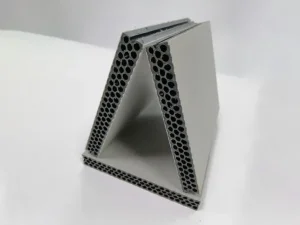
Featured Resilient Surfaces & Composite Engineering Solutions
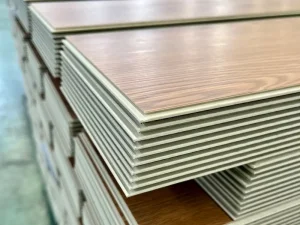
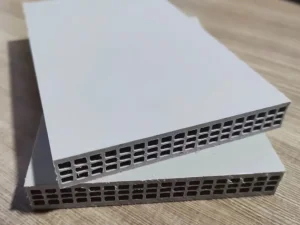
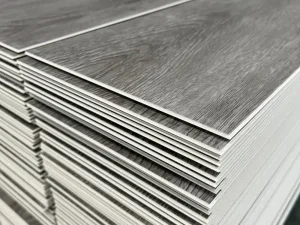
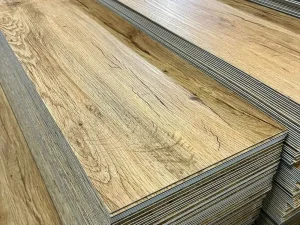
Explore our primary export catalog featuring engineered Polyvinyl Chloride (PVC), Wood-Plastic Composite (WPC), Stone-Plastic Composite (SPC), and Hollow Polypropylene (PP) structural solutions engineered for global architectural and industrial contractors.
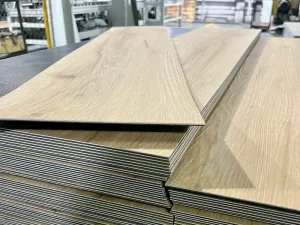
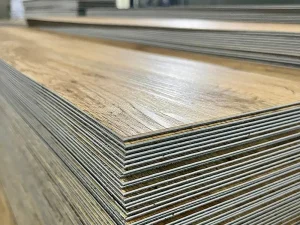
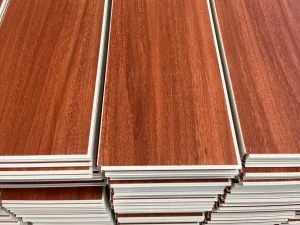
Global PVC & WPC Board Commercial Reality and Trade Metrics
The global market for Polyvinyl Chloride (PVC) foam boards and Wood-Plastic Composite (WPC) structural panels has experienced a transformative shift over the past decade. Driven by stringent environmental regulations limiting timber harvesting, imperative demands for rot-proof structural materials in tropical and coastal zones, and rapid urbanization across emerging markets, PVC and WPC boards have evolved from alternative materials to foundational industry standards.
According to modern macroeconomic chemical market assessments, the globally combined market capitalization of PVC Celuka, Free Foam, and WPC structural panels exceeded USD 9.4 Billion in 2024, with a projected Compound Annual Growth Rate (CAGR) of 6.8% through 2032. Demand dynamics are heavily polarized across geographic territories:
North America & EU
Strict focus on zero-VOC emissions, REACH compliance, recycled polymer ratios, and high flame-retardant (ASTM E84 Class A) performance for commercial millwork, marine furniture, and exterior architectural cladding.
Middle East & GCC
Extreme heat tolerance, zero moisture absorption, and termite resistance drive massive bulk procurement of high-density PVC Celuka boards and co-extruded WPC wall paneling for megaprojects.
Southeast Asia & LATAM
Rapid replacement of conventional marine plywood in high-humidity concrete formwork, exterior shuttering, and modular residential furniture due to superior cost-per-use cycles.
Advanced Manufacturing Technologies & Extrusion Roadmap
Understanding the differentiation between structural polymer configurations is crucial for procurement managers and engineering specification teams. The manufacturing baseline relies on precise micro-foaming and melt-filtration extrusion processes.
PVC Celuka Extrusion Method
Utilizes a specialized mandrel die where cooling starts at the outer boundaries while internal foaming proceeds under controlled pneumatic pressure. This creates a board with an extremely hard, smooth, and polished surface skin coupled with a fine micro-cellular core. Ideal for structural cabinetry, digital UV printing, and high-impact partitions.
WPC Co-Extrusion Technology
Combines high-density polyethylene (HDPE) or PVC resin matrices with refined lignocellulosic timber fibers (up to 60%) enclosed within a 360-degree protective fluoropolymer shield. This co-extruded layer protects against UV degradation, mold growth, moisture ingress, and scratch damage in harsh exterior installations.
| Property Matrix | PVC Free Foam Board | PVC Celuka Hardboard | WPC Co-Extruded Board | PP Hollow Formwork |
|---|---|---|---|---|
| Core Density | 0.33 – 0.55 g/cm³ | 0.50 – 0.80 g/cm³ | 0.95 – 1.40 g/cm³ | 0.65 – 0.75 g/cm³ |
| Surface Hardness (Shore D) | 45 – 55 Shore D | 75 – 85 Shore D | 80 – 90 Shore D | 68 – 78 Shore D |
| Tensile Strength | 12 – 18 MPa | 25 – 35 MPa | 30 – 42 MPa | 20 – 28 MPa |
| Flexural Modulus | 800 – 1200 MPa | 1800 – 2400 MPa | 2800 – 3800 MPa | 1500 – 2200 MPa |
| Primary Application | Signage, Display, Trim | Furniture, Marine, Cladding | Decking, Exterior Facades | Concrete Construction |
Engineering Deployments & Regional Application Scenarios
Because of their versatile physical chemistry, PVC and WPC board products adapt across a broad spectrum of commercial, municipal, residential, and heavy civil engineering frameworks.
Architectural Millwork & Cabinetry
In kitchen cabinetry, bathroom vanities, and laboratory casework, high-density PVC Celuka boards provide absolute zero water swelling, preventing delamination common with particleboard or MDF. CNC router compatibility allows precise mortise, tenon, and dovetail joint fabrication.
Marine Outfitting & Transport
Boat cabinetry, yacht ceilings, and transit vehicle interiors require lightweight materials immune to salt-spray corrosion. PVC foam sheets offer significant mass reduction over hardwood while resisting biological fungal attack and microbial decay.
Construction Formwork Systems
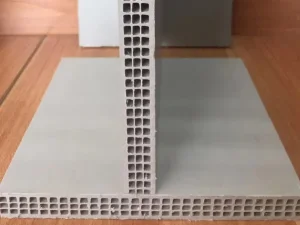
Cross-industry integration with Hollow PP plastic formwork panels and heavy-duty structural PVC sheets provides reusable shuttering solutions for concrete slab, column, and beam casting. Achieving 50 to 100 reuse cycles without oil release agents radically lowers building project overheads.
Macro Industry OEM/ODM Manufacturing & Exporter Solutions
As a leading exporter, our manufacturing infrastructure bridges advanced polymer engineering with global logistical execution. We provide full spectrum OEM and ODM capabilities tailored to international importers, brand distributors, and general construction contractors.
Precision Surface Finishing & Lamination
Our multi-layer finishing lines integrate real-time corona treatment, hot-melt Polyurethane (PUR) wrapping, heat-transfer foil printing, and high-definition EIR (Embossed in Register) texturing. We replicate authentic natural timber, marble, and brushed metallic aesthetics with superior anti-scratch overlays.
Rigorous QA/QC & Certification Compliance
Every production lot undergoes strict laboratory verification: density profiling via hydrostatic balances, impact testing via falling-weight impactors, thermal expansion coefficient analysis in environmental chambers, and fire behavior validation according to ISO 11925-2 and EN 13501-1 standards.
Frequently Asked Questions for Importers & Procurement Engineers
Comprehensive Product Series & Associated Structural Panels
Review our export-ready inventory list below. Click any product to access specific technical datasheets, dimensional tolerances, and bulk shipping specifications.