
Flagship Concrete Formwork & Flooring Solutions for Indonesia
Engineered specifically to meet the high moisture, severe humidity, and rapid structural demands of Southeast Asian construction sites.
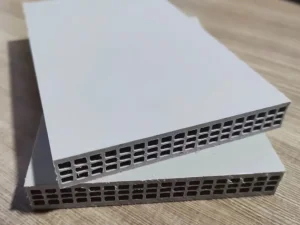
Wholesale PP Plastic Slab Concrete Hollow Formwork 18mm Exporters, Service
Explore Technical Specs
Wholesale Reusable plastic concrete shuttering formwork for construction building Supplier, Exporters
Explore Technical Specs
China PP Hollow plastic formwork panel 18mm for concrete Suppliers, Exporters
Explore Technical Specs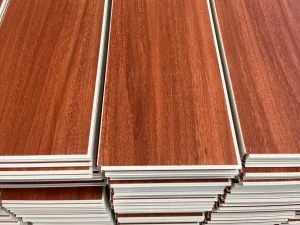
High-Quality Waterproof SPC Vinyl plastic flooring for indoor using Supplier, Exporter
Explore Technical SpecsIndonesian Infrastructure & Industrial Building Landscape
Indonesia is undergoing one of the most aggressive infrastructure transformations in modern Southeast Asian history. Driven by the mega-development of the new capital city, IKN Nusantara in East Kalimantan, alongside extensive transit corridors across Java, Sumatra, and Bali, the demand for resilient, high-efficiency building materials has scaled exponentially. Traditional shuttering methodologies—primarily marine plywood, standard timber formwork, and heavy metallic frames—are increasingly falling short under Indonesia's stringent environmental conditions and compressed project timelines.
The tropical maritime climate of Indonesia presents severe operating parameters for concrete contractors. With relative humidity frequently exceeding 85% and annual rainfall peaking during prolonged monsoon cycles, standard wood-based formwork undergoes severe water absorption, delamination, warping, and swelling. This physical degradation limits traditional film-faced plywood to a meager 3 to 5 reuses before total structural mechanical failure occurs. Consequently, general contractors face escalating material replacement costs, severe waste disposal surcharges, and costly delays caused by surface imperfections on stripped concrete structures.
As direct factory manufacturers and specialized exporters supplying major engineering hubs across Jakarta, Surabaya, Medan, and Balikpapan, our engineered PP Hollow Plastic Formwork Panels deliver a disruptive alternative. By leveraging high-density Polypropylene (PP) polymer chemistry fortified with proprietary nano-composite additives, these panels are entirely impervious to moisture, zero-absorption under direct rainfall, resistant to acid and alkali chemical reactions in setting concrete, and optimized for over 60 to 100 continuous casting cycles.
Technical Innovation & Structural Architecture
Why Hollow Polypropylene Matrix Design Outperforms Conventional Timber and Steel Shuttering.
Advanced Hollow Core Matrix
Internal I-shaped structural vertical ribs engineered via co-extrusion distribute fluid concrete hydraulic pressure evenly, minimizing deflection while cutting total panel weight by 35% compared to solid plastic boards.
Zero-Bond Non-Stick Surface
Polypropylene features ultra-low surface energy. Setting concrete does not adhere to the matrix, enabling effortless stripping without requiring chemical release agents, reducing chemical usage and labor site prep time.
UV & Thermal Stabilization
Compounded with specialized anti-UV agents and thermal stabilizers, our panels withstand sustained tropical equatorial solar radiation (+75°C surface heat) without warping, brittle cracking, or thermal degradation.
Polymer Physics and Structural Mechanics of Hollow PP Panels
The engineering core of our PP hollow formwork panel rests on high-molecular-weight Polypropylene matrix formulation. Unlike PVC (Polyvinyl Chloride) panels which tend to be heavy, brittle in colder ambient conditions, and release toxic chlorine compounds when burned, Polypropylene provides high flexural strength, superior toughness, and extreme impact resistance. The internal geometric rib layout acts as a series of continuous micro-trusses, offering excellent load-bearing capabilities up to 60 kN/m² while keeping physical handling weight at an ergonomic ~13.5 kg per standard 1220x2440x18mm sheet.
| Technical Property | Testing Standard | PP Hollow Formwork Spec | Standard Film-Faced Plywood |
|---|---|---|---|
| Density / Weight (18mm) | ISO 1183 / GB/T 1033 | 0.65 – 0.72 g/cm³ (~13.5 kg/panel) | ~24.0 kg/panel (Saturated) |
| Reuse Factor (Cycles) | On-Site Job Audits | 60 to 100+ Times | 3 to 5 Times |
| Water Absorption Rate | ASTM D570 / ISO 62 | 0.00% (Impervious) | 25% – 45% (High Swelling) |
| Flexural Modulus | ISO 178 / ASTM D790 | ≥ 2,200 MPa | Degrades rapidly upon wetting |
| Thermal Expansion (20-60°C) | ISO 11359 | Controlled (<0.08 mm/m·°C) | Severe linear warping & splitting |
| Nail Holding Strength | ASTM D1037 | ≥ 1,500 N | Splits after repeated nailing |
Total Cost of Ownership (TCO) Analysis for Commercial Buyers
When purchasing managers evaluate concrete shuttering systems, comparing initial purchase price alone leads to flawed financial projections. Standard 18mm film-faced marine plywood may offer a lower upfront cost per sheet; however, its rapid cycle fatigue in tropical climates demands repeated repurchasing, constant freight charges, high release-oil consumption, and intensive manual post-cast grinding/plastering.
Financial Breakdown: 50-Cycle High-Rise Slab Casting Project in Jakarta
Consider a standard commercial project requiring 10,000 square meters of shuttering surface area operated across 50 pour cycles:
- Plywood Scenario: Requires 10 full sets of plywood (purchased 10 times due to a maximum 5-pour lifecycle). Additional costs accumulate from purchasing 1,200 liters of chemical release oil, heavy site scrap clearance fees, and post-pour surface plastering to smooth out wood grain and joint ridges.
- PP Hollow Plastic Formwork Scenario: Requires exactly 1 initial set of panels. Zero secondary panel purchases are necessary. Release agent expenditure is eliminated (0 liters). Concrete finishes come out smooth and fair-faced, eliminating wall skimming labor entirely.
Technical Roadmap: Next-Gen Polypropylene Formwork Evolution
As a leading exporter and advanced material research pioneer, our manufacturing engineering division is actively expanding the frontiers of structural plastic composites. Our decade-long material engineering roadmap focuses on three pivotal technical advancements designed specifically for ASEAN contractors:
1. Graphene-Reinforced Polypropylene Composites
By incorporating micro-dosed graphene nanoplatelets into the primary PP extrusion melt, our technical lab has achieved a 35% increase in flexural strength and double the impact resistance at sub-zero or ultra-high surface temperatures (+80°C). This technological leap allows thinner panel cross-sections without sacrificing span stiffness or shore hardness.
2. Closed-Loop Circular Recyclability
Addressing international ESG mandates, our PP formwork panels are 100% recyclable. At the end of their operational lifecycle (after 80-100 reuses), damaged or worn panels can be crushed, re-granulated, re-formulated with color stabilizers, and re-extruded into brand-new first-quality formwork boards. We operate a closed-loop buy-back arrangement for major corporate construction contracts across Indonesia.
3. RFID-Integrated Smart Formwork Tracking
To assist major engineering conglomerates operating across multiple site locations in Jakarta, Cikarang, and East Kalimantan, future batches offer embedded low-frequency passive RFID chips inside the hollow ribs. Contractors can track inventory, total pour cycles per sheet, and maintenance history via mobile scanning apps.
Indonesian Regulatory Compliance, SNI Standards & Logistics Support
Exporting construction equipment to Indonesia requires strict alignment with national trade mandates, port clearance regulations, and localized building codes. We provide full documentation and compliance support to ensure seamlessly integrated procurement for Indonesian developers:
Compliance & Quality Certification Highlights
- SNI (Standar Nasional Indonesia) Alignment: Formulated to meet load-bearing structural compliance for civil infrastructure projects overseen by the Ministry of Public Works and Public Housing (PUPR).
- ISO 9001:2015 & ISO 14001 Quality & Environmental Management: Factory-direct quality control ensures every sheet meets uniform density, precise thickness tolerance (±0.3mm), and strict diagonal squareness.
- Seamless Customs & Logistics to Major Indonesian Ports: We offer regular container shipments directly to Tanjung Priok (Jakarta), Tanjung Perak (Surabaya), and Semayang (Balikpapan). All shipments include detailed Certificate of Origin (Form E for ASEAN trade preferential tariffs), Commercial Invoice, Packing List, and Mill Test Certificates.
On-Site Carpentry & Tool Compatibility
A primary concern for Indonesian site managers is worker adaptation. Our PP hollow formwork requires zero special equipment. Site workers handle, cut, nail, drill, and frame these boards using standard woodworking equipment (circular saws, pneumatic nail guns, screw fasteners). Panels can be easily trimmed to fit complex column geometries, elevator shafts, or irregular bridge pier caps.
Complete Export Portfolio: Formwork & Resilient Flooring
Explore our full line of PP plastic hollow shuttering panels, high-durability SPC rigid core flooring, and commercial LVT tiles.
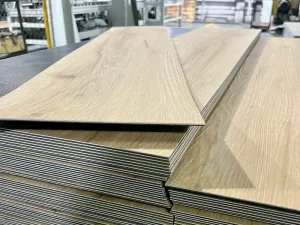
High-Quality LVT SPC Luxury Vinyl Tile Flooring for indoor using Exporter, Service
Explore Technical Specs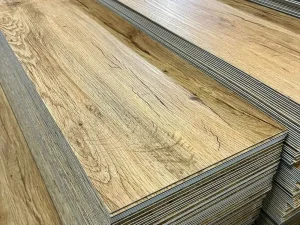
High-Quality Waterproof Plastic Vinyl LVT Glue Down Flooring Suppliers, Exporters
Explore Technical Specs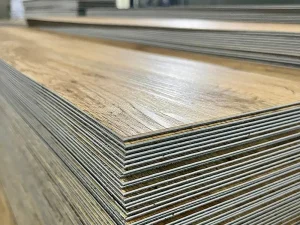
High-Quality Self-Adhesive Vinyl Tiles PVC LVT Plank Flooring Suppliers, Exporter
Explore Technical Specs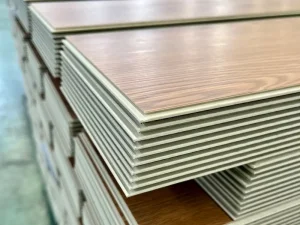
High-Quality Waterproof SPC flooring 4mm with marble and wood color Exporters, Service
Explore Technical Specs
Wholesale PP Plastic Slab Concrete Hollow Formwork 18mm Exporters, Service
Explore Technical Specs
China PP Hollow plastic formwork panel 18mm for concrete Suppliers, Exporters
Explore Technical Specs
Wholesale Reusable plastic concrete shuttering formwork for construction building Supplier, Exporters
Explore Technical Specs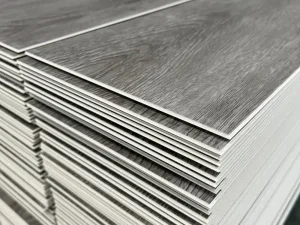
China SPC rigid vinyl plank with wood grain design for indoor flooring Supplier, Exporters
Explore Technical SpecsFrequently Asked Questions (FAQ)
Technical and Commercial Clarifications for Procurement Directors & Site Engineers in Indonesia.