
Top Hot Products Specified for Malaysian Construction
Direct factory export items rigorously engineered for high humidity, tropical thermal stability, and accelerated build cycles in Malaysia.
Malaysia’s Modern Construction & Material Sourcing Ecosystem
Malaysia’s industrial and real estate sectors are undergoing a structural shift driven by national mega-infrastructure initiatives, including the expansion of the Klang Valley Mass Rapid Transit (KVMRT), the East Coast Rail Link (ECRL), and the rapid development of high-density commercial hubs across Kuala Lumpur, Penang, and Iskandar Malaysia in Johor.
In tandem with this infrastructure growth, the Malaysian Green Building Index (GBI) and Sustainable Development Goals (SDG 12) have imposed stringent environmental and operational parameters on project developers and main contractors. Traditional timber formwork, which suffers from limited reuse cycles and high deforestation impact, is rapidly being replaced by Polypropylene (PP) Hollow Plastic Formwork.
Simultaneously, the tropical climate of Southeast Asia—characterized by relative humidity levels exceeding 80% year-round and intense seasonal monsoons—presents significant engineering challenges for interior flooring materials. Wood laminates and traditional vinyl frequently exhibit edge-cupping, delamination, and microbial rot. This has triggered explosive demand for Stone Plastic Composite (SPC) Rigid Core Flooring and engineered LVT, establishing them as the top hot products imported across Malaysia's building supply chains.
Malaysian Market Sourcing Indicators (2026)
- Port Klang & Penang Port Volume: +24% YoY surge in polymer-based construction imports.
- Formwork Waste Regulations: CIDB Malaysia guidelines targeting 50% timber formwork reduction on high-rise builds.
- Hospitality Renovation Demand: High demand for EIR (Embossed-in-Register) acoustic SPC planks in Langkawi, Penang, and KL hotel refurbishments.
- Industrial Logistics Hubs: Rapid buildout of Grade-A warehouses in Shah Alam and Senai utilizing heavy-duty PP formwork casting.
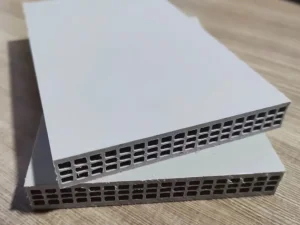
Technical Deep-Dive: 18mm PP Hollow Plastic Formwork
Why modern structural engineers in Malaysia are shifting from traditional phenolic plywood to high-molecular polypropylene hollow panels.
60+ High-Frequency Reuses
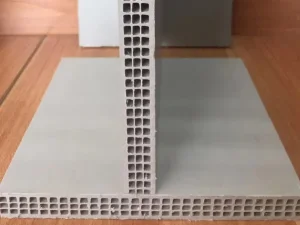
Crafted from modified, high-impact polypropylene resin, our 18mm panels withstand repeatedly harsh alkaline concrete slurry without structural degradation. In contrast to plywood which delaminates after 3 to 5 uses in Malaysia's humid climate, PP hollow panels drastically lower per-pour formwork costs.
Zero Moisture Absorption
With a 0.00% water absorption rate, PP hollow shuttering panels eliminate swelling, warping, and strength degradation caused by tropical rain pours. Concrete surfaces achieve a mirror-smooth fair-faced finish without requiring expensive release agents.
Seamless Site Workability
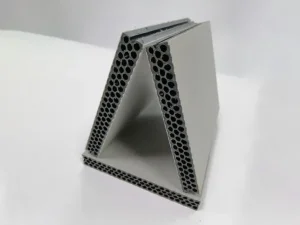
Designed with engineered internal honeycomb structural ribs, our 18mm formwork matches standard timber dimensions. On-site workers can cut, drill, nail, and saw the panels using conventional woodworking equipment with no special tooling required.
Comparative Analysis: PP Hollow Formwork vs. Traditional Plywood in ASEAN Climates
| Performance Parameter | 18mm PP Hollow Plastic Formwork | Traditional Phenolic Plywood | Steel / Aluminum Formwork |
|---|---|---|---|
| Average Reusability Cycles | 60 to 100+ Cycles | 3 to 8 Cycles | 150 to 300+ Cycles |
| Water Absorption & Swelling | 0.00% (Impervious) | High (Swells & Delaminates) | 0.00% (Rust Susceptible) |
| Weight Per Sheet (1220x2440mm) | 13.5 kg - 15.0 kg (Lightweight) | 22.0 kg - 26.0 kg (Heavy) | 35.0 kg+ (Requires Crane) |
| Chemical & Alkali Resistance | Complete Acid/Alkali Resistance | Degrades in Alkaline Concrete | Corrodes without Anti-rust |
| Environmental Impact | 100% Recyclable (Zero Waste) | Deforestation / Toxic Resins | High Carbon Footprint |
Next-Generation SPC Rigid Core & LVT Systems
Engineered for tropical thermal dimensional stability, acoustic comfort, and scratch resistance in high-traffic Malaysian spaces.
Anatomy of an Advanced SPC Rigid Plank
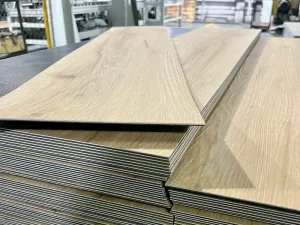
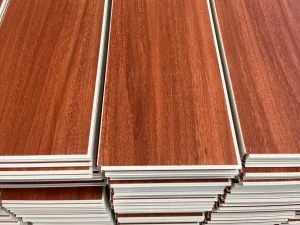
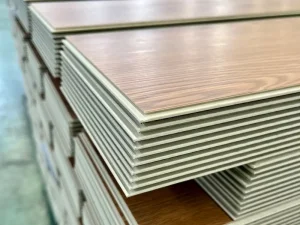
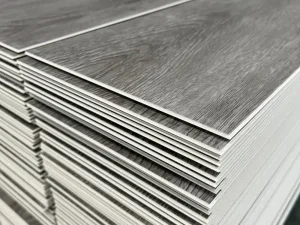
Stone Plastic Composite (SPC) represents a technological leap in resilient flooring. Composed of natural limestone powder (Calcium Carbonate, CaCO3), Polyvinyl Chloride resin, and ultra-stable non-toxic plasticizers, the rigid core matrix exhibits near-zero thermal expansion even when exposed to direct sunlight through floor-to-ceiling windows in Kuala Lumpur high-rises.
- UV Anti-Fading Surface Coating: Ceramic-bead crosslinked polyurethane coating prevents color fading from tropical UV exposure.
- Heavy-Duty Commercial Wear Layer: 0.3mm to 0.7mm high-density transparent wear layer providing AC4/AC5 commercial scratch resistance.
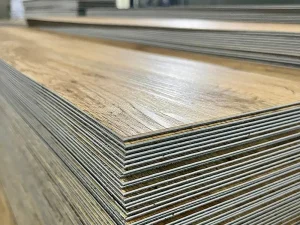
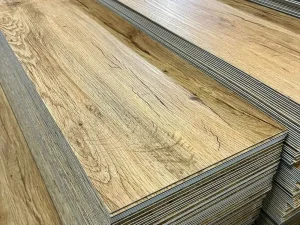
- High-Definition EIR Decor Film: Synchronized Embossed-in-Register wood grain and marble textures matching authentic Malaysian timber species and natural stone.
- Patented Unilin / Valinge Click Profile: Precision-milled locking joints that prevent joint separation under dynamic load.
- Acoustic IXPE / EVA Underlayment: Factory-laminated acoustic foam layer offering up to 21dB sound attenuation between building levels.
100% Waterproof Integrity
Ideal for kitchens, bathrooms, hotel corridors, and basements. SPC core does not swell, warp, or support mold growth during extreme moisture events.
Termite & Fire Retardant (Class B1)
Insects and subterranean termites—a major risk for Malaysian wooden structures—cannot digest SPC composite materials. Flame-retardant B1 classification ensures low smoke release.
E0 Formaldehyde Safety Standards
Zero phthalates and zero heavy metals. Fully compliant with Floorscore and Greenguard Gold indoor air quality certifications for healthcare and educational facilities.
Technology Roadmap: Materials Science Strategy (2026–2030)
Strategic innovation goals driving our R&D center to serve global and ASEAN architectural demands.
Phase 1 (2026): Ultra-Lightweight Honeycomb Co-Extrusion Formwork
Pioneering dual-density co-extrusion technology for 18mm PP panels, reducing panel weight by an additional 12% while boosting flexural modulus by 20%. This minimizes freight costs to Port Klang and improves worker safety during high-rise manual rigging.
Phase 2 (2027): Bio-Based PVC & Circular Polymers
Integrating renewable bio-attributed PVC resins derived from organic industrial side-streams into our LVT and SPC core layers, achieving a 35% reduced net carbon footprint for LEED v5 certified project specifications.
Phase 3 (2028-2030): IoT Embedded Formwork & Smart Curing Systems
Embedding RFID and nano-sensory layers into high-grade PP formwork panels to transmit real-time temperature and moisture curing data to site engineers, optimizing formwork stripping times on mega-structure pours in urban centers.
Targeted Application Scenarios Across Malaysia
Customized building material engineering adapted to local structural demands and commercial design themes.
Kuala Lumpur High-Rise Commercial Towers
High-density urban cast-in-place concrete cores require fast stripping and standardized formwork dimensions. Our 18mm PP panels withstand accelerated 4-day floor casting cycles with zero formwork degradation.
Penang & Langkawi Luxury Hospitality Resorts
Coastal resorts demand luxury aesthetics combined with total resistance to humid sea air. EIR SPC rigid planks provide rich, warm wood visuals without moisture swelling or salt-air warping.
Iskandar Malaysia & Johor Modular Housing
Affordable residential developments utilize glue-down LVT and click-lock SPC for fast installation over self-leveling screed, drastically speeding up handover schedules for massive housing projects.
Full Product Portfolio Available for Exporters & Contractors
Explore our complete export line, engineered for high structural durability, strict factory quality control, and direct container shipping to Port Klang & Penang.
Frequently Asked Questions for Malaysian Buyers & Importers
In-depth technical answers addressing trade regulations, tropical climate durability, and quality compliance for B2B procurement.
Ready to Scale Your Procurement in Malaysia?
Connect with our senior engineering and export trade team today. Obtain direct factory wholesale quotes, request free physical sample kits, or schedule a technical consultation for your upcoming building projects.